
THUCYDIDES
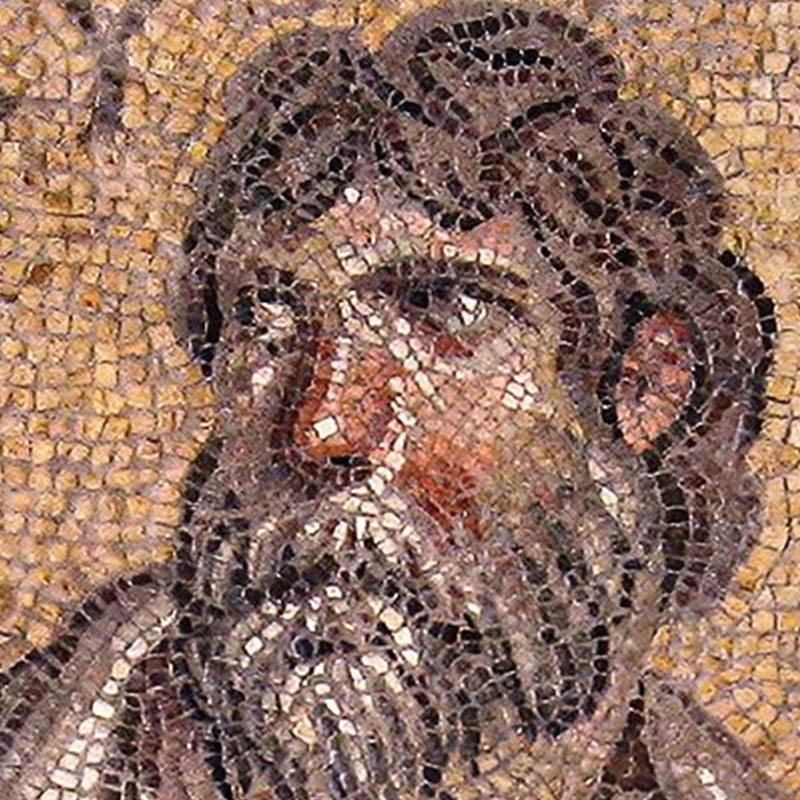
https://commons.wikimedia.org/wiki/File:Thucydides_Mosaic_from_Jerash,_Jordan,_Roman,_3rd_century_CE_at_the_Pergamon_Museum_in_Berlin.jpg
Why does the greatest Greek history stop in mid-story?
Born before 460 B.C. · Died after 404 B.C. · Athens
Thucydides is considered the greatest of the ancient Greek historians. His Peloponnesian War recounts the struggle between Athens and Sparta, and was the first work of history to combine political and ethical reflection with the record of events. The history ends abruptly, perhaps because he died a sudden death in those violent times.
Seven years left unwritten
- Born: Probably a few years before 460 B.C.
- Died: Sometime after the peace of 404 B.C.
- Life: Known only from the small details he reveals in his own narrative
- Service: An Athenian general during the war
- Work: The Peloponnesian War, the struggle between Athens and Sparta
What makes history worth reading long after the events are over?
Hover or tap each idea to follow Thucydides’ method
- Politics and EthicsHis was the first work of history to combine political and ethical reflection with the record of events.
- Research and AccuracyHis careful attention to research and evident concern for accuracy left an enduring mark on the discipline of history.
- Blemishes and VirtuesHeroes and villains alike are treated with full attention to their faults as well as their virtues.
- Unsparing JudgmentThucydides did not hesitate to criticize Athenian policy, or to record his own actions as a general during the war.
- A Possession for All TimeHistory was more than a list of events: it was an enduring record of every aspect of a time, of value to later generations.“He that desires to look into the truth of things done and which (according to the condition of humanity) may be done again, or at least their like, he shall find enough herein to make him think it profitable. And it is compiled rather for everlasting possession than to be rehearsed for a prize.” (I.22, trans. Thomas Hobbes)
for all time
“It is compiled rather for everlasting possession than to be rehearsed for a prize.”
Thucydides’ careful research, concern for accuracy and unsparing judgment of heroes, villains, his own city and himself left an enduring mark on the discipline of history. He wrote for readers who would face, “according to the condition of humanity,” events like the ones he described.
Where to read more about Thucydides and the Peloponnesian War.
- 1965Thucydides, Book VI and Book VII (commentaries)Dover, K. J., ed. · Oxford University Press
- 1969The Outbreak of the Peloponnesian WarKagan, Donald · Cornell University Press
- 1984ThucydidesConnor, W. Robert · Princeton University Press
- 1987ThucydidesHornblower, Simon · Johns Hopkins University Press
- 1998Thucydides: Narrative and ExplanationRood, Tim · Oxford University Press
- 2015A Handbook to the Reception of ThucydidesLee, Christine, and Neville Morley, eds. · Wiley-Blackwell
- The History of the Peloponnesian WarRichard Crawley’s translation, free from Project Gutenberg.gutenberg.org
- The Internet Classics Archive: ThucydidesThe same translation, read online by book and chapter, from MIT.classics.mit.edu
- Britannica: ThucydidesA biography and overview of his history and method.britannica.com
- Perseus Digital LibraryThe Greek text with English translation and reference tools, from Tufts University.perseus.tufts.edu
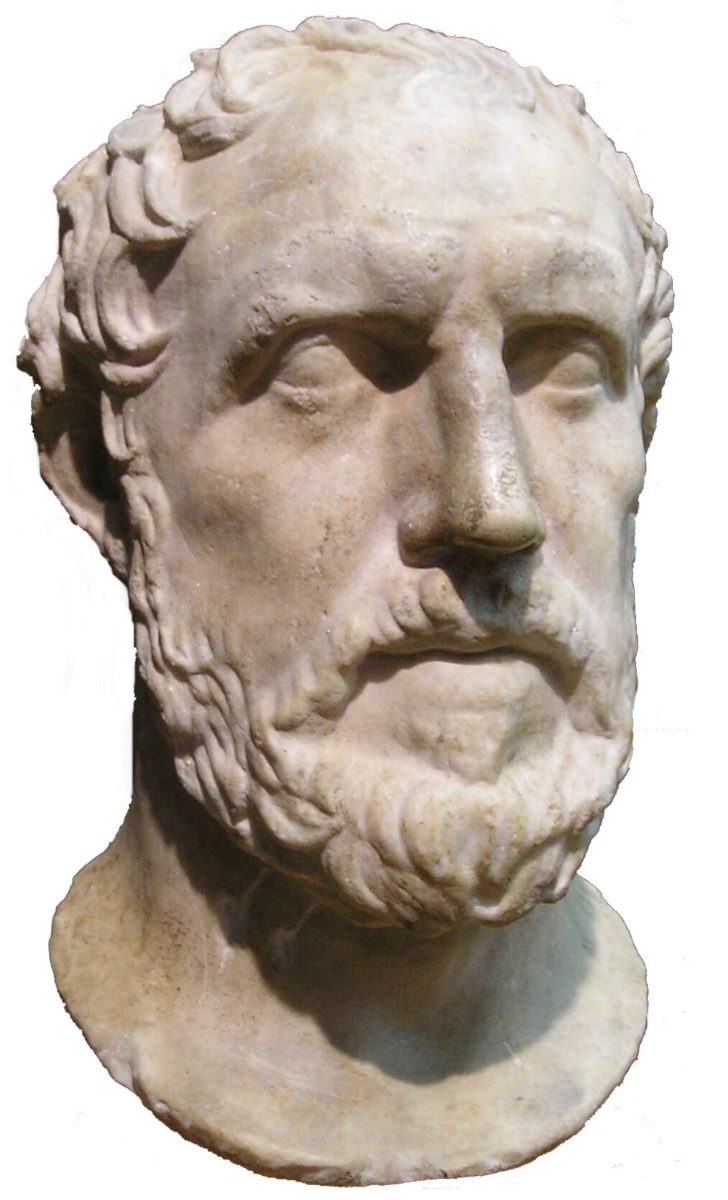
("Thucydides-bust-cutout ROM." Photograph of marble bust. Roman copy, circa 1st century CE. Marble. Royal Ontario Museum, Toronto. Wikimedia Commons. https://commons.wikimedia.org/wiki/File:Thucydides-bust-cutout_ROM.jpg.)
A marble bust of the ancient Greek historian and general Thucydides, depicted in a classical style from the Royal Ontario Museum, highlighting his thoughtful expression and period attire.
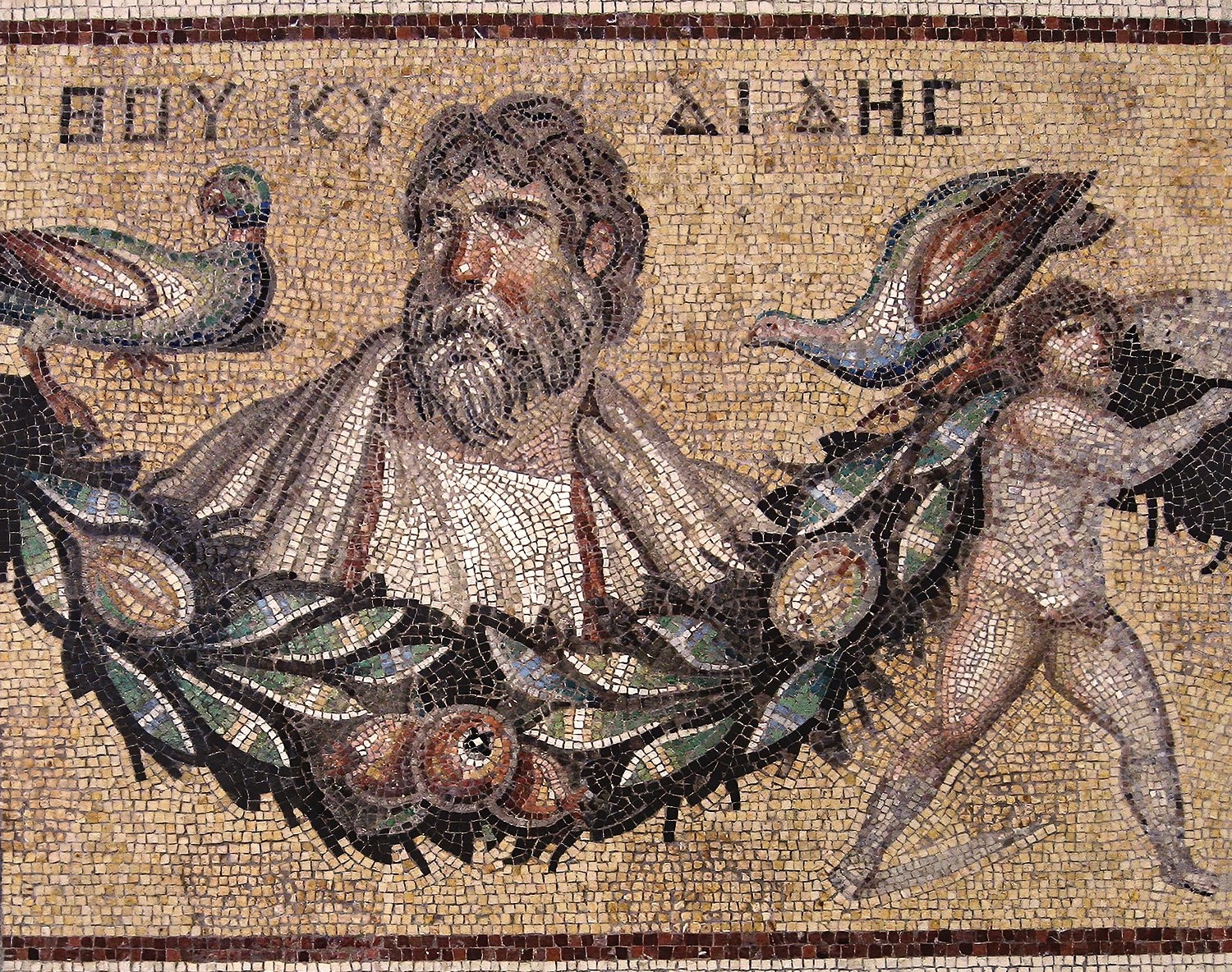
("Thucydides Mosaic from Jerash, Jordan, Roman, 3rd century CE at the Pergamon Museum in Berlin." Photograph of mosaic. 3rd century CE. Stone and glass tesserae. Pergamon Museum, Berlin. Wikimedia Commons. https://commons.wikimedia.org/wiki/File:Thucydides_Mosaic_from_Jerash%2C_Jordan%2C_Roman%2C_3rd_century_CE_at_the_Pergamon_Museum_in_Berlin.jpg.)
A detailed Roman mosaic portraying Thucydides from the 3rd century CE, discovered in Jerash, Jordan, and housed in the Pergamon Museum in Berlin, showcasing intricate tile work in ancient colors.
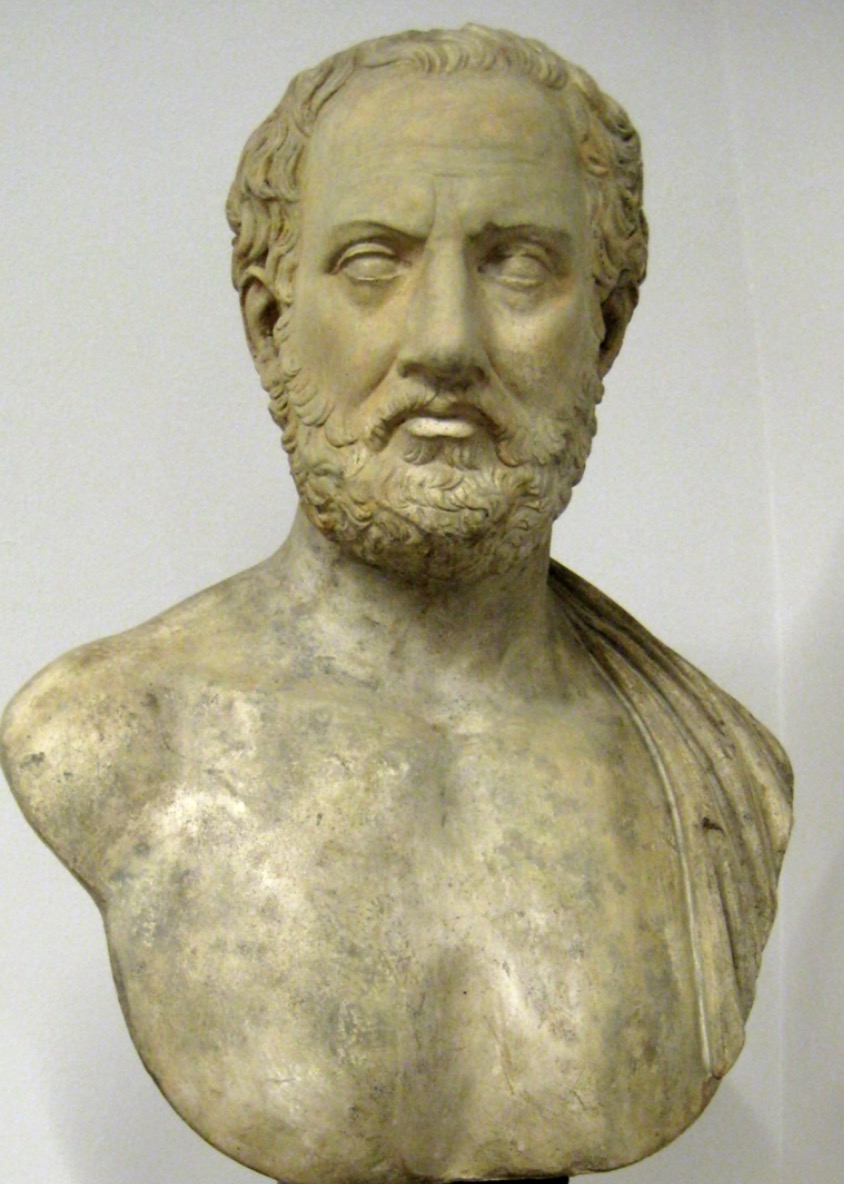
("Thucydides." Photograph of plaster cast bust. Roman copy, circa 1st century CE. Plaster. Pushkin State Museum of Fine Arts, Moscow. Wikimedia Commons. https://commons.wikimedia.org/wiki/File:Thucydides_pushkin01.jpg.)
A plaster cast bust of Thucydides displayed in Zurab Tsereteli's gallery in Moscow, part of the Russian Academy of Arts collection, capturing a serene and introspective profile.