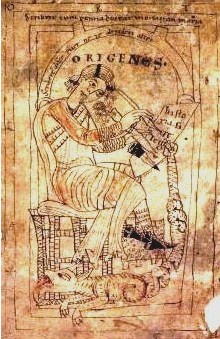
Origen

ORIGEN

Origen
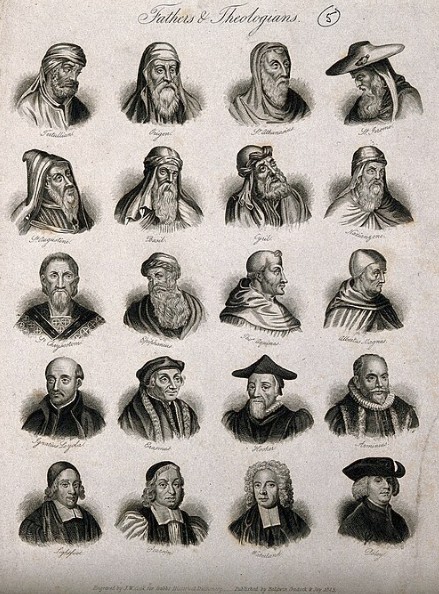
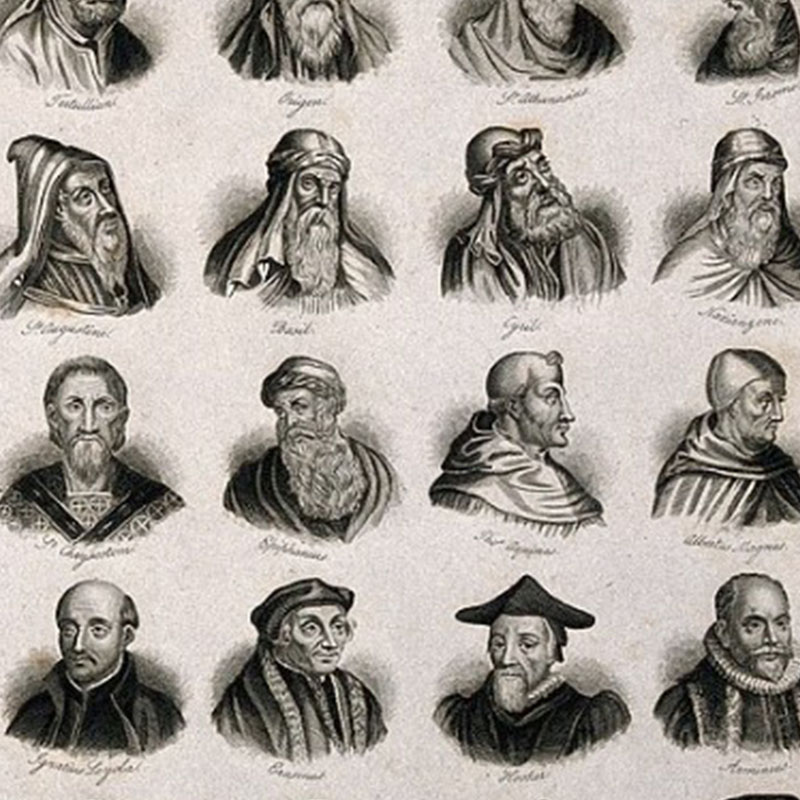
(Unknown engraver. “Churchmen; Twenty Portraits of Religious Thinkers (including Origen).” Engraving. 19th century. Wellcome Collection, London. Wikimedia Commons. https://commons.wikimedia.org/wiki/File:Churchmen;_twenty_portraits_of_religious_thinkers._Engraving_Wellcome_V0006814.jpg.)

Born: Around 184 AD in Alexandria

Died: Around 253 AD in Tyre, likely as a result of torture during persecution under Emperor Decius

Notable

  • Built a Framework: Origen was the first to try creating a complete theological system. He asked big questions—about God, evil, salvation—and tried to answer them with logic and faith.
  • Read the Bible Deeply: He believed the Bible had layers of meaning: the literal story, moral lessons, and deep spiritual truths hidden beneath the surface.
  • Mixed Faith and Philosophy: Origen used the language of Greek philosophy to explain Christian ideas, especially about the soul and eternal life.
  • Stood Up for Christianity: In Against Celsus, he showed that Christianity could hold its own in debates with philosophers and skeptics.

184-253 AD

Biography

Origen (around 184–253 AD) was an early Christian thinker, writer, and teacher from Alexandria, Egypt. Known for his deep intellect and spiritual devotion, he helped shape Christian theology. Origen was both respected and debated—praised for his bold ideas and questioned for pushing the boundaries of early doctrine.

He tried to connect faith with reason by blending Christian teachings with Greek philosophy, especially the ideas of Plato. His interpretations of Scripture were rich and symbolic, offering layers of meaning beyond the surface.

Main Ideas: God’s wisdom (the Logos), the deeper meanings in the Bible, free will, salvation, and the soul’s spiritual journey.

    Bibliography & Major Works

    On First Principles – The first real attempt to lay out a full Christian theology. Origen explores topics like God, creation, sin, and salvation in a structured way.

    Against Celsus – A detailed defense of Christianity against a well-known pagan critic. Origen argues that Christian beliefs are not only valid but also intellectually strong.

    Bible Commentaries – Origen wrote extensively on both Old and New Testament books, often finding hidden spiritual lessons in the text.

    Homilies (Sermons) – These short teachings offered practical spiritual insights and showed how Origen’s theology worked in everyday faith.

    Popular Translations:

    On First Principles, translated by G.W. Butterworth

    Against Celsus, translated by Henry Chadwick

    Influences & Notable For
    • Built a Framework: Origen was the first to try creating a complete theological system. He asked big questions—about God, evil, salvation—and tried to answer them with logic and faith.

    • Read the Bible Deeply: He believed the Bible had layers of meaning: the literal story, moral lessons, and deep spiritual truths hidden beneath the surface.

    • Mixed Faith and Philosophy: Origen used the language of Greek philosophy to explain Christian ideas, especially about the soul and eternal life.

    • Stood Up for Christianity: In Against Celsus, he showed that Christianity could hold its own in debates with philosophers and skeptics.

    Famous quotes
    • “The soul has no beginning and no end.”

    • “The ability to choose between good and evil lies within everyone.”

    • “Scripture is like a body—the surface is the flesh, but deeper down is the soul.”

    • “The soul is immortal because it shares in the divine nature.”

    Major Works

    Work

    What It Covers

    On First Principles

    Explains Christian theology: God, sin, free will, salvation, and the universe.

    Against Celsus

    Defends Christianity from criticism using logic and Scripture.

    Scripture Commentaries

    Looks at Bible texts through historical and symbolic lenses.

    Homilies

    Short teachings applying faith to life and spiritual growth.

    Big Themes: Free will, God’s justice, the soul’s journey, spiritual meaning in Scripture, and the blending of faith with reason.

    Legacy & Modern Significance

    Theological Influence: Even though the Church later rejected some of his ideas, his way of thinking shaped centuries of Christian discussion.

    Eastern vs. Western Views: Eastern Christianity often sees Origen in a more positive light than the Western Church, which condemned parts of his theology.

    Ongoing Relevance: His big questions—about God’s love, free will, and salvation—are still debated today. Modern theologians and spiritual writers continue to explore his ideas.


    Modern Moments & Impact on the 21st Century

    Spiritual Revival: In recent years, people have revisited Origen’s hopeful view of salvation and his deep approach to Scripture.

    Bridging Worlds: His thinking can help connect modern believers with ancient wisdom and build dialogue between different Christian traditions.

    Easy Access: Many of his works are available online and in translation, making them easier than ever to explore.


    Influences & Intellectual Context

    The Alexandrian Scene: Origen lived in Alexandria, a city full of intellectual activity and religious debate. He was shaped by Jewish, Christian, and Greek ideas all mixing together.

    Greek Influence: He borrowed many ideas from Plato and other Greek thinkers, especially the belief that the soul existed before birth and seeks to return to God.

    Shaping the Church: Origen’s work helped early Christians think more deeply about their faith. Though not all of his ideas were accepted later, he had a lasting impact on how Christians read the Bible and talk about God.

    Suggested Reading & Resources

    Books About Origen:

    Joseph Trigg, Origen (Routledge, 1998)

    Henri Crouzel, Origen: The Life and Thought of the First Great Theologian (T&T Clark, 2000)

    Ronald E. Heine, Origen: Scholarship in the Service of the Church (Oxford, 2010)

    Online Sources:

    On First Principles – New Advent

    Against Celsus – Christian Classics Ethereal Library

    Commentaries and Sermons – Internet Archive