Micah

MICAH

Micah
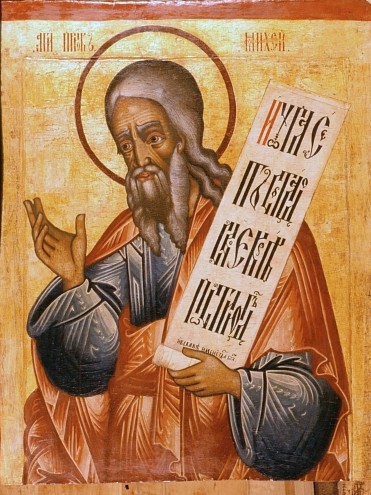
(Unknown. Micah the Prophet. Egg tempera on wood panel. ca. 1700–1725. Wikimedia Commons. https://commons.wikimedia.org/wiki/File:Micah_prophet.jpg.)

Born: Unknown; likely in Moresheth-Gath, Judah, during the 8th century BCE

Died: Unknown; no specific record of his death is mentioned in biblical or historical sources

Notable

  • Prophet of Justice: Condemned corruption, oppression, and false worship.

  • Ethical Faith: Emphasized moral integrity over empty ritual.

  • Hope and Restoration: Proclaimed renewal and the promise of a ruler from Bethlehem.

  • Enduring Message: Lasting voice for compassion, justice, and faithfulness.

740 – 670 CE

Biography

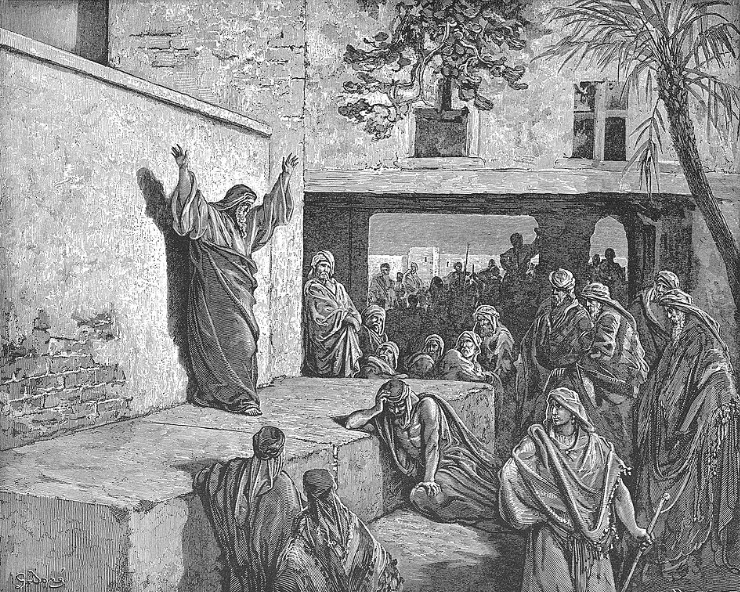
Micah is a biblical figure who lived around the 8th century BCE at Moresheth-Gath, in the kingdom of Judah. He was considered to be one of the twelve minor prophets in the Hebrew Bible. According to the Hebrew Bible, Micah was a prophet of Yahweh, and he is considered to be the author of the book “The Book of Micah.” He is traditionally believed to have been a contemporary of the prophets Isaiah, Amos, and Hosea. Micah is known for his powerful condemnations of corruption and urged people to repent and live ethically.

Most of Micah’s early life remains lost in history, as the biblical text focuses mainly on his prophetic message. Micah’s prophetic ministry likely took place during the reigns of Jotham, Ahaz, and Hezekiah, kings of Judah. His message is specifically toward Jerusalem, as he prophesied the future destruction of Jerusalem and Samaria by the Assyrians and warned that a similar fate could befall Judah if they didn’t reform their ways, making him a significant figure in prophetic literature.

    Bibliography & Major Works

    The primary source associated with Micah is the Book of Micah in the Hebrew Bible, specifically in the Old Testament of the Christian Bible. This book is divided into seven chapters and contains a collection of prophecies attributed to the prophet Micah. The text addresses various themes such as social injustice, idolatry, and the promise of restoration for the people of Israel.

    Influences & Notable For

    Micah is best known for his prophetic messages emphasizing social justice, ethical conduct, and the restoration of Israel. His condemnations of corruption, oppression of the poor, and false worship are central themes in the Book of Micah. Micah calls for changing their ways and adhering to good moral and spiritual principles, reflecting his role as a moral reformer. Micah’s critique of societal injustice highlights the ethical demands of faith over ritualistic practices. He envisions a future of restoration and hope, including the promise of a ruler from Bethlehem (Micah 5:2), later interpreted as a messianic prophecy. His teachings continue to resonate with modern readers, scholars, and religious communities for their timeless moral and spiritual insights. Micah’s legacy endures as a powerful voice for integrity, compassion, and faithfulness in both personal and communal life.

    Famous quotes
    • “He has shown you, O mortal, what is good. And what does the Lord require of you? To act justly and to love mercy and to walk humbly with your God.” – Micah 6:8

    • “But you, Bethlehem Ephrathah, though you are small among the clans of Judah, out of you will come for me one who will be ruler over Israel, whose origins are from of old, from ancient times.” – Micah 5:2

    • “As for me, I watch in hope for the Lord, I wait for God my Savior; my God will hear me.” – Micah 7:7

    • “Do not gloat over me, my enemy! Though I have fallen, I will rise. Though I sit in darkness, the Lord will be my light.” – Micah 7:8

    Major Works

    Micah is primarily known for the Book of Micah, which contains a collection of prophecies attributed to the prophet. The book is divided into seven chapters and addresses various themes related to social justice, ethical conduct, and the restoration of Israel. Some of the key passages in the Book of Micah include:

    Micah 6:8: A famous verse that outlines the ethical requirements of the Lord, emphasizing justice, mercy, and humility.

    Micah 5:2: A prophecy about the birthplace of a future ruler of Israel, often interpreted as a reference to the Messiah.

    Micah 7:18–20: A passage highlighting God’s forgiveness and mercy toward His people, despite their transgressions.

    Note: In addition to the Book of Micah, the prophet is also mentioned in the Book of Jeremiah, further emphasizing his significance in the prophetic tradition of ancient Israel.

    Legacy & Modern Significance

    Micah’s famous verse, “act justly, love mercy, walk humbly with God” (6:8), remains one of the Bible’s most quoted passages, serving as a moral compass of social justice and authentic faith. His messages of justice, mercy, and humility continue to inspire individuals and communities to strive for a society founded on moral principles and compassion. Micah’s emphasis on social responsibility and accountability resonates with readers across religious and cultural boundaries, highlighting the universal appeal of his prophetic voice.

    In the Christian tradition, Micah is often cited as a precursor to the ministry of Jesus Christ, who embodied the values of justice, mercy, and humility in his teachings. His message that true worship requires justice and compassion, not just ceremonies, continues to challenge religious institutions to focus on social action. Micah’s words inspire social justice movements, liberation theology, and faith-based activism, which even inspired civil rights leaders like Martin Luther King Jr. His legacy as a champion of social justice and moral righteousness endures as a beacon of hope and inspiration for those who seek to create a more just and compassionate world.


    Modern Moments & Impact on the 21st Century

    In 2018, a new translation of the Book of Micah was released by a team of biblical scholars, shedding new light on the text’s linguistic nuances and historical context.

    An academic conference on prophetic literature in the Hebrew Bible featured a panel discussion on Micah’s enduring relevance and impact on contemporary ethical discourse in 2020.

    A 2021 study by the Pew Research Center found that Micah 6:8 was the third most-cited biblical verse on social media platforms during discussions of social justice, particularly following major protests and civil rights movements.

    The documentary “Speaking Truth to Power: Prophetic Voices Today” (2023) explicitly connected modern whistleblowers and activists to Micah’s tradition of confronting corruption, featuring interviews with religious and secular leaders who cite his influence.

    The digitization of ancient manuscripts, including fragments of the Book of Micah, has allowed scholars to conduct in-depth textual analysis and research on the prophet’s writings in the digital age.


    Influences & Intellectual Context

    Micah’s intellectual context was shaped by his rural background in Moresheth-Gath and his role as an 8th-century BCE prophet during the Assyrian crisis. He was influenced by contemporary prophets like Isaiah, Amos, and Hosea, who shared his concerns about social justice and covenant faithfulness in ancient Israel. Micah boldly criticized powerful leaders and urged people to change their ways, following the prophetic tradition of challenging wrongdoing. Later prophets like Jeremiah quoted him, and his focus on social justice has continued to inspire religious and social reform movements throughout history. His message of hope and restoration in the face of judgment resonated with audiences then and continues to captivate readers today.

    Suggested Reading & Resources

    Society of Biblical Literature. “Annual Meeting Program Book.” https://www.sbl-site.org/assets/pdfs/AM_2020_Program_Book.pdf

    The Journal of Biblical Literature. “New Perspectives on Micah: A Translation and Commentary.” https://www.jstor.org/stable/jbibllite.137.2.215

    The Israel Museum. “Digital Dead Sea Scrolls.” https://www.deadseascrolls.org.il/scroll/15-Micah-a#800:1

    The Holy Bible: New International Version. Zondervan, 2011.

    Waltke, Bruce K. A Commentary on Micah. United Kingdom: William B. Eerdmans Publishing Company, 2008.

    Allen, Leslie C. The Books of Joel, Obadiah, Jonah, and Micah. United Kingdom: Eerdmans Publishing Company, 1976.

    Mays, James Luther. Micah. N.p.: Philadelphia Westminster Press, 1976.