
JESUS CHRIST
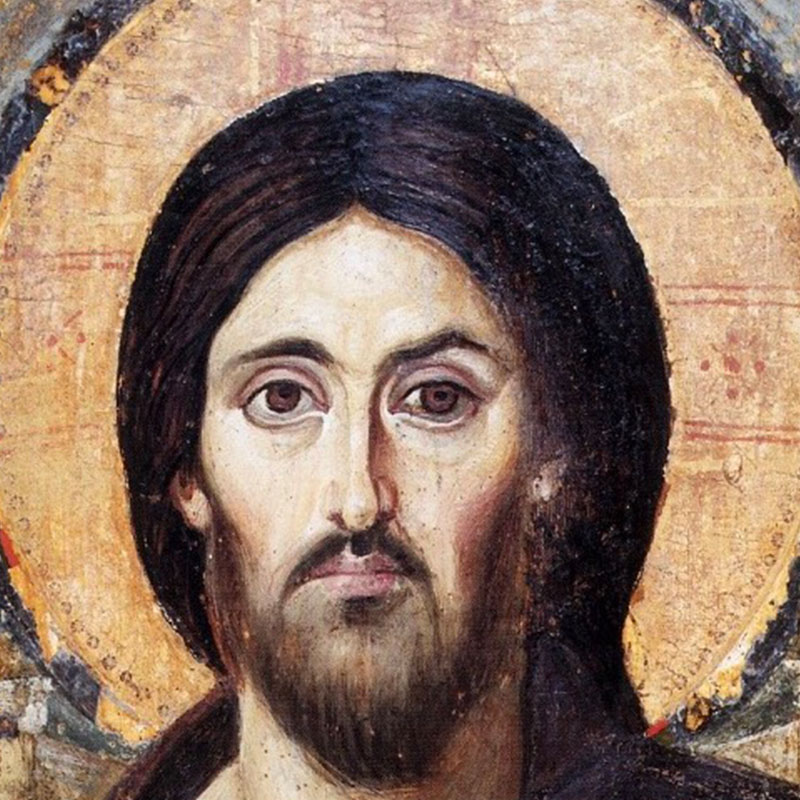
("Spas vsederzhitel sinay." Mosaic icon. 6th century. Encaustic on panel. Saint Catherine's Monastery, Sinai. Wikimedia Commons. https://commons.wikimedia.org/wiki/File:Spas_vsederzhitel_sinay.jpg.)

Why was Jesus probably born a few years “before Christ”?
Born around 6–3 B.C. · Crucified A.D. 29–33
Jesus of Nazareth is the name of the prophet believed by his followers to be the Son of God and the Messiah whose coming was prophesied in the Judaic tradition. His birth was originally placed in the year 754 of the Roman calendar, but the most recent analyses place it earlier, at least 3 B.C. and perhaps as early as 6 B.C.
Dating a life that changed the calendar
- Known as: Jesus of Nazareth
- Believed by his followers: To be the Son of God and the Messiah prophesied in the Judaic tradition
- Born: Between 6 and 3 B.C., according to recent analyses
- Traditional date: The year 754 of the Roman calendar
- Crucified: Sometime between A.D. 29 and 33
What did Jesus offer that his era did not expect?
Hover or tap each idea to look closer
- Not Political DeliveranceThe Jews of his era eagerly awaited the Messiah to deliver them from foreign oppression and internal division. What Christ offered, however, was not political emancipation.
- A New CovenantInstead, he offered a new covenant with God, based on the saving grace of divine love for each individual.
- Love Even for PersecutionChristianity enjoins human beings to emulate Christ by returning love even for persecution.
- The Golden RuleChristianity puts forward the Golden Rule as the moral basis of human relationships.
- Suffering and ResurrectionIn Christian belief, Christ, as the incarnation of God on earth, suffered, died, and was resurrected for the salvation of humankind, the ultimate illustration of this principle of love.
- The Worth of the IndividualThis belief underscores the uniquely important place of the individual in Christian thought, and it addresses itself to any who would believe in the Son of God.
It would be almost impossible to overestimate the importance of Christianity in the history of the world.
The inclusivity and universality of Christian theology allowed Christianity to grow quickly from a minor Jewish sect into the official religion of the Roman Empire. No aspect of human existence has been left unaffected by it.
Where to read more about Jesus of Nazareth.
- 1993The Historical Figure of JesusSanders, E. P. · Penguin
- 1996Jesus and the Victory of GodWright, N. T. · Fortress Press
- 1998The Historical Jesus: A Comprehensive GuideTheissen, Gerd, and Annette Merz · Fortress Press
- 1999Jesus: Apocalyptic Prophet of the New MillenniumEhrman, Bart D. · Oxford University Press
- 2010Constructing Jesus: Memory, Imagination, and HistoryAllison, Dale C. · Baker Academic
- The Gospel of Mark in Codex SinaiticusOne of the oldest complete manuscripts of the New Testament, held at the British Library and viewable online.codexsinaiticus.org
- Center for the Study of New Testament ManuscriptsA digital archive of New Testament manuscripts.csntm.org
- Harvard Divinity School Library: Biblical StudiesA research guide to resources for studying the Bible and early Christianity.guides.library.harvard.edu
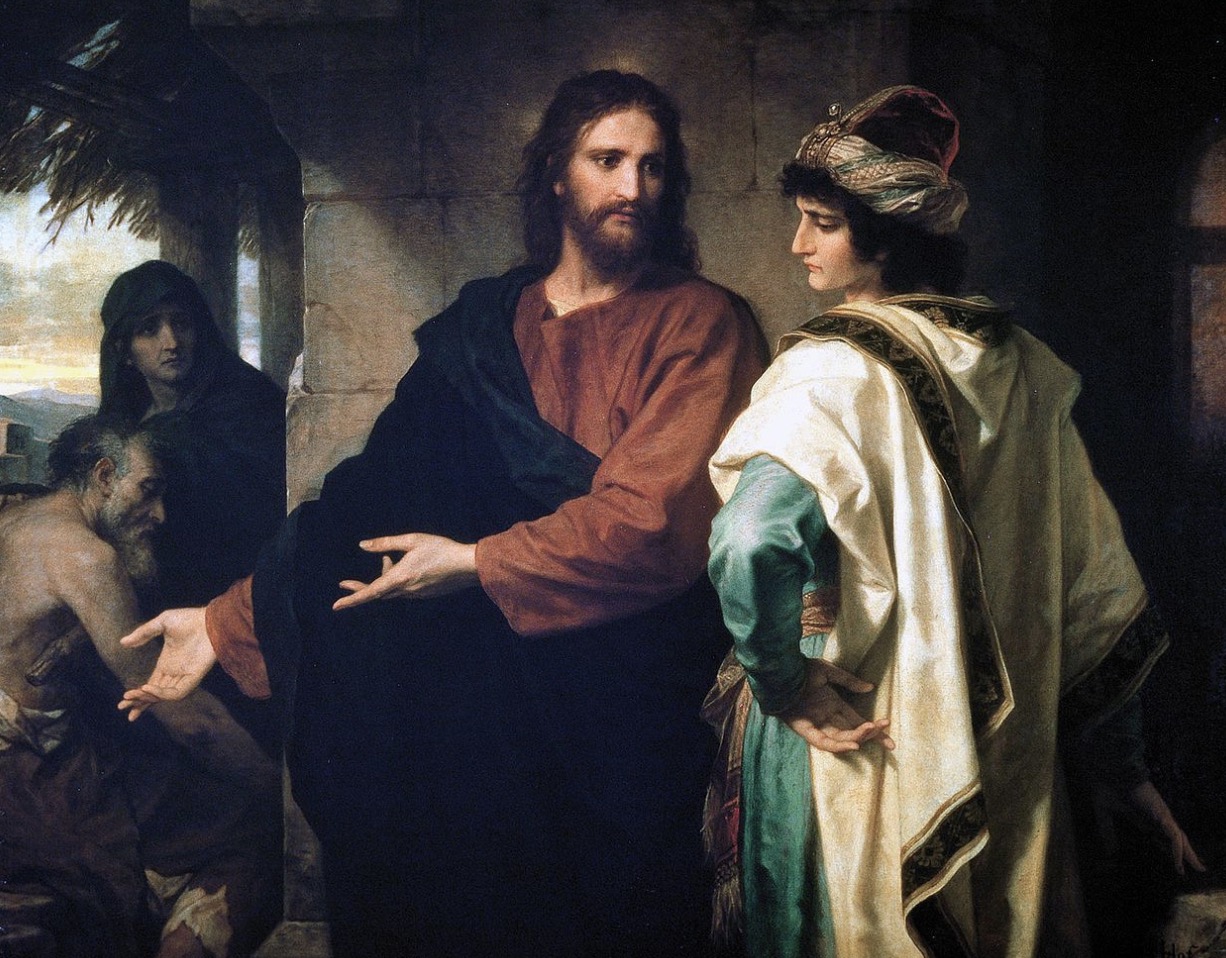
(By Vjacheslav Rublevskiy - https://commons.wikimedia.org/w/index.php?curid=106219380)
Inspired by Mark 10:17–31, this depiction illustrates Jesus gently challenging a wealthy young man to follow him by selling his possessions, conveying a blend of compassion and moral urgency in their intimate exchange.
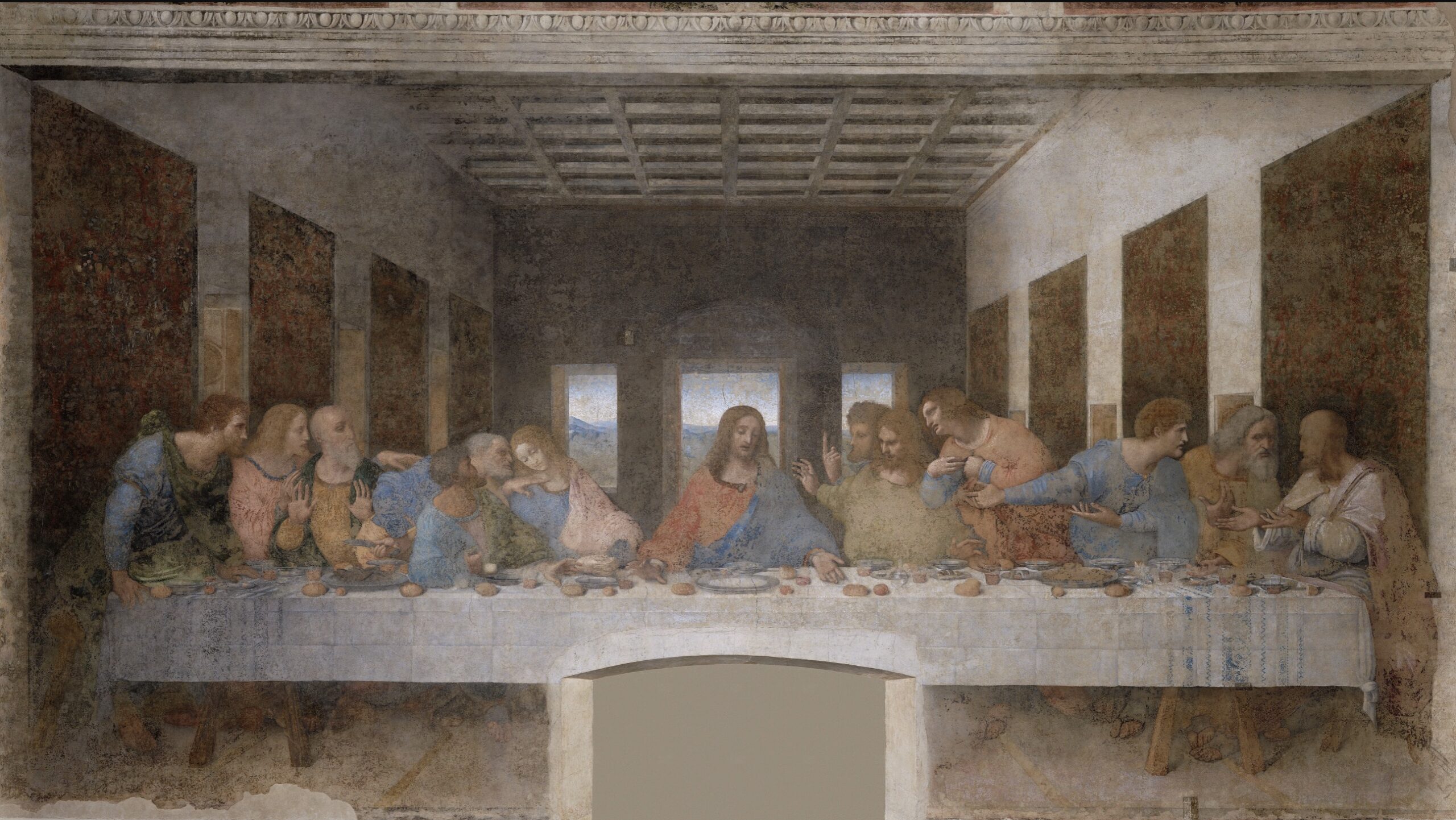
(Da Vinci, Leonardo. "The Last Supper." Fresco. Circa 1495–1498. Tempera on gesso, pitch, and mastic. Santa Maria delle Grazie, Milan. Wikimedia Commons. https://commons.wikimedia.org/wiki/File:%C3%9Altima_Cena_-_Da_Vinci_5.jpg.)

Leonardo da Vinci's iconic masterpiece depicts Jesus and his twelve apostles during their final meal, as described in the Gospel accounts, capturing the dramatic moment when Jesus announces his betrayal. The composition's balanced perspective and expressive gestures convey emotional tension and divine significance, set against a serene backdrop.
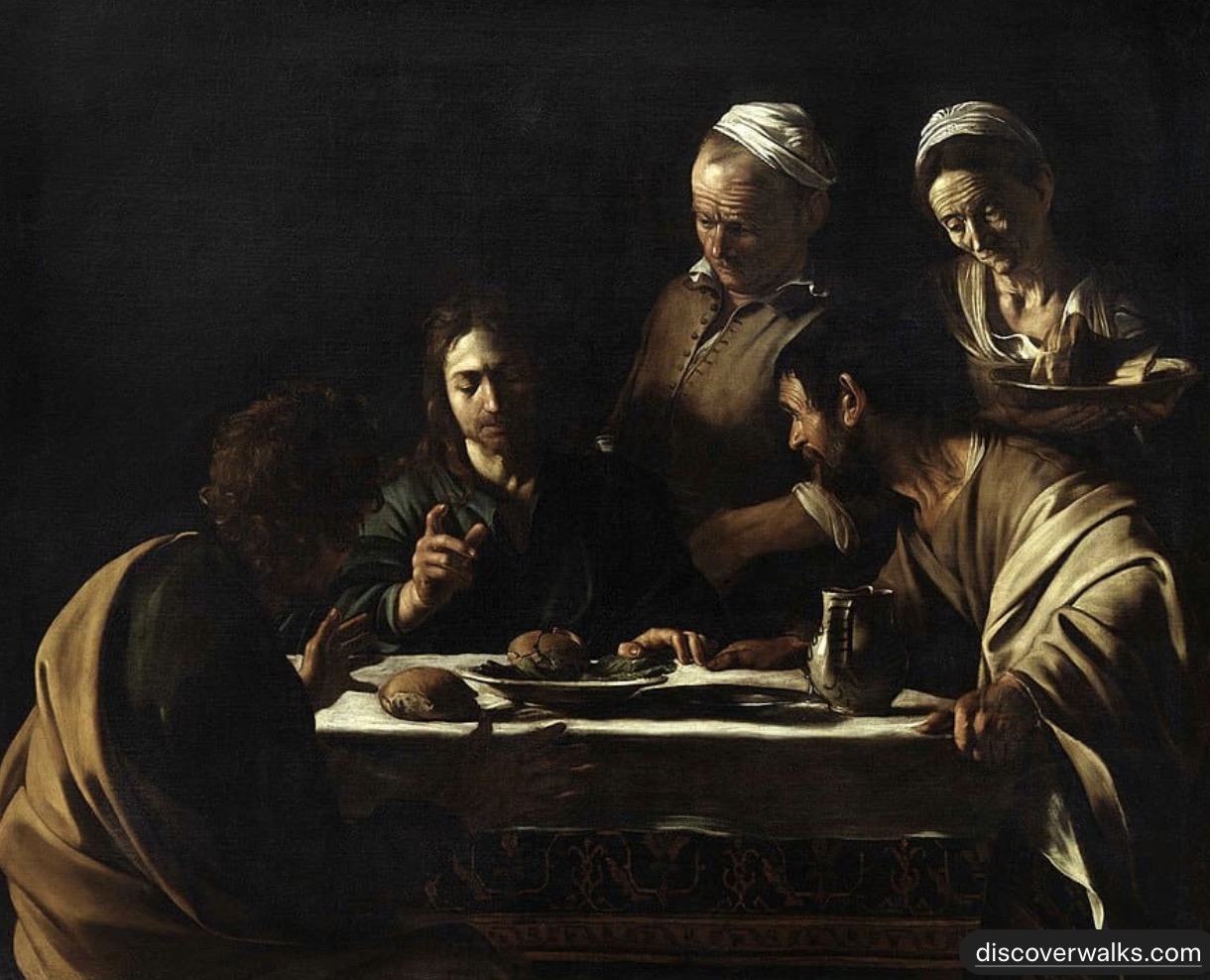
(Caravaggio. Supper at Emmaus. 1601. Oil on canvas. National Gallery, London.)
Drawing from Luke 24:13–35, Caravaggio's dramatic chiaroscuro illuminates the revelation of Jesus to his disciples during a roadside meal, frozen in the instant of recognition as he breaks bread, blending everyday realism with profound epiphany.