
ISAIAH
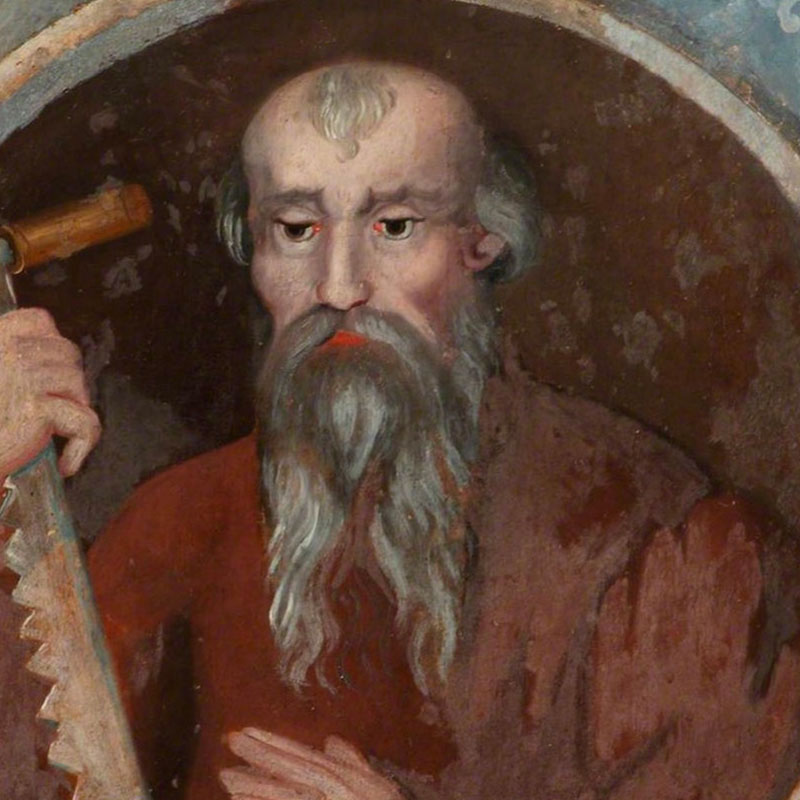
("The Prophet Isaiah." British (English) School. Wikimedia Commons. 18th century. Accessed October 5, 2025. https://commons.wikimedia.org/wiki/File:British_(English)_School_-_The_Prophet_Isaiah_-_1430496.14_-_National_Trust.jpg.)
Why would a prophet name his sons after his prophecies?
First vision, 742 B.C. · Israel and Judah
Isaiah was a contemporary of the prophet Amos. Like Amos, he prophesied that Israel was doomed because of the sins of her people. But where Amos preached mainly to the northern kingdom, Isaiah included the kingdom of Judah in his visions and preaching as well. As with the other prophets, little is known of his life.
“Swords to plowshares,” Isaiah 2:4
- Contemporary of: The prophet Amos
- Preached to: The northern kingdom of Israel and the kingdom of Judah
- First vision: 742 B.C., after the death of King Uzziah
- His wife: Referred to as the “Prophetess”
- His sons: Named after his prophecies, as living reminders to the Hebrew nation of its impending doom
What good is worship without justice?
Hover or tap each idea to look closer
- More Than RitualA distinct mark of Isaiah’s theology is its emphasis on God’s dissatisfaction with mere forms and rituals of worship performed for their own sake. These rituals had lost contact with the deep moral and spiritual meanings originally embodied in them.
- Against the PriestsIsaiah was highly critical of the priests who performed the rituals and perpetuated the spiritual drought:“What to me is the multitude of your sacrifices? says the Lord; I have had enough of burnt offerings of rams and the fat of fed beasts; I do not delight in the blood of bulls, or of lambs, or of he-goats.” (Isaiah 1:11)
- The CovenantIsaiah’s deep concern for justice, moral conduct between people, and sincere faith are all reflected in his emphasis on the Covenant.
- The Way BackThe Jews were on the wrong path, shown by the prevalence of social and moral failings, but they could return to the right path by choosing God again and restoring their contractual relationship with him.
- A Warning from AssyriaFailure to return would be disastrous. God had already sent the Assyrians to punish the Jews, and their state was in serious jeopardy (Isaiah 10:5–6).
Faith and its substance matter more than ritual.
The Gospels draw heavily on the Book of Isaiah for a utopian view of the world; the famous “swords to plowshares” (Isaiah 2:4) is but one of its proclamations. Isaiah’s idea that faith matters more than ritual had a profound influence on later Christian thought, especially during the Reformation.
His understanding of a “higher law” or “divine contract” contributed significantly to the development of the Western legal tradition, and his message of social justice as a prime agent in the stability of nations remains a force today.
Where to read more about Isaiah.
- 1998Isaiah 1–39 and Isaiah 40–66 (Westminster Bible Companion, 2 vols.)Brueggemann, Walter · Westminster John Knox PressA two-volume commentary with a justice-oriented lens.
- 2000Isaiah 1–39, Isaiah 40–55, and Isaiah 56–66 (Anchor Yale Bible, 3 vols.)Blenkinsopp, Joseph · Doubleday · 2000–2003Scholarly and comprehensive.
- 2001Isaiah: A Commentary (Old Testament Library)Childs, Brevard S. · Westminster John Knox PressCritical and theological insights.
- 2014The Theology of the Book of IsaiahGoldingay, John · IVP AcademicA thematic approach to Isaiah’s messages.
- The Book of IsaiahPreserved in the Masoretic Text, the Dead Sea Scrolls, and the Septuagint.Read Isaiah at Bible GatewayThe Great Isaiah Scroll
- The New TestamentEspecially Matthew, Luke, John, and Romans, for Christian references to Isaiah.
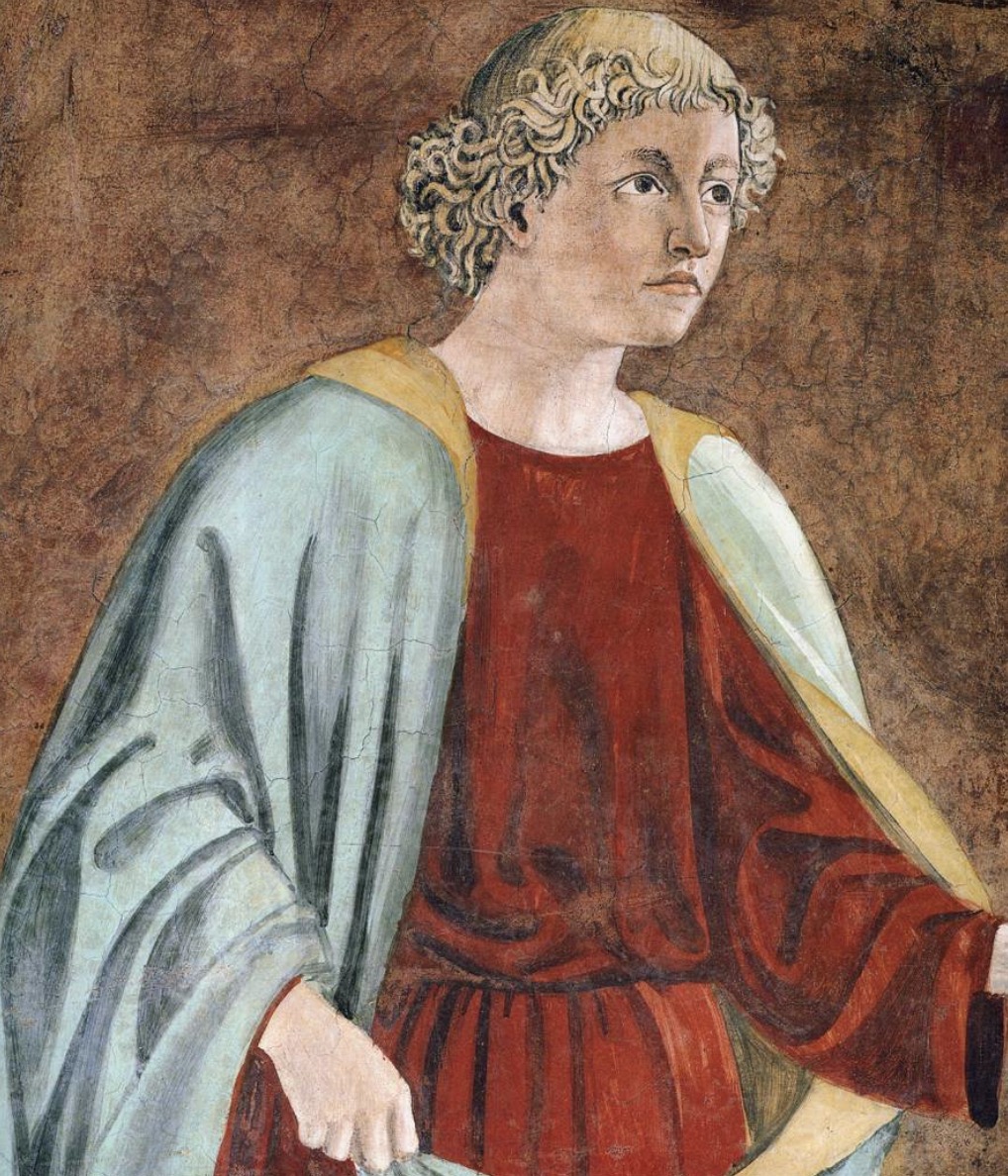
(Giovanni di Piamonte. "The Prophet Isaiah (detail)." Wikimedia Commons. Ca. 1420. Accessed October 5, 2025. https://commons.wikimedia.org/wiki/File:Giovanni_Di_Piamonte_-_The_Prophet_Isaiah_(detail)_-_WGA09482.jpg.)
A Renaissance detail by Giovanni di Piamonte showing Isaiah with a haloed head, from a larger religious composition.
(Isaiah - AI-generated image)
Isaiah's messages of justice, righteousness, and the promise of a Messiah have shaped religious thought and inspired movements for spiritual renewal and social justice for centuries.
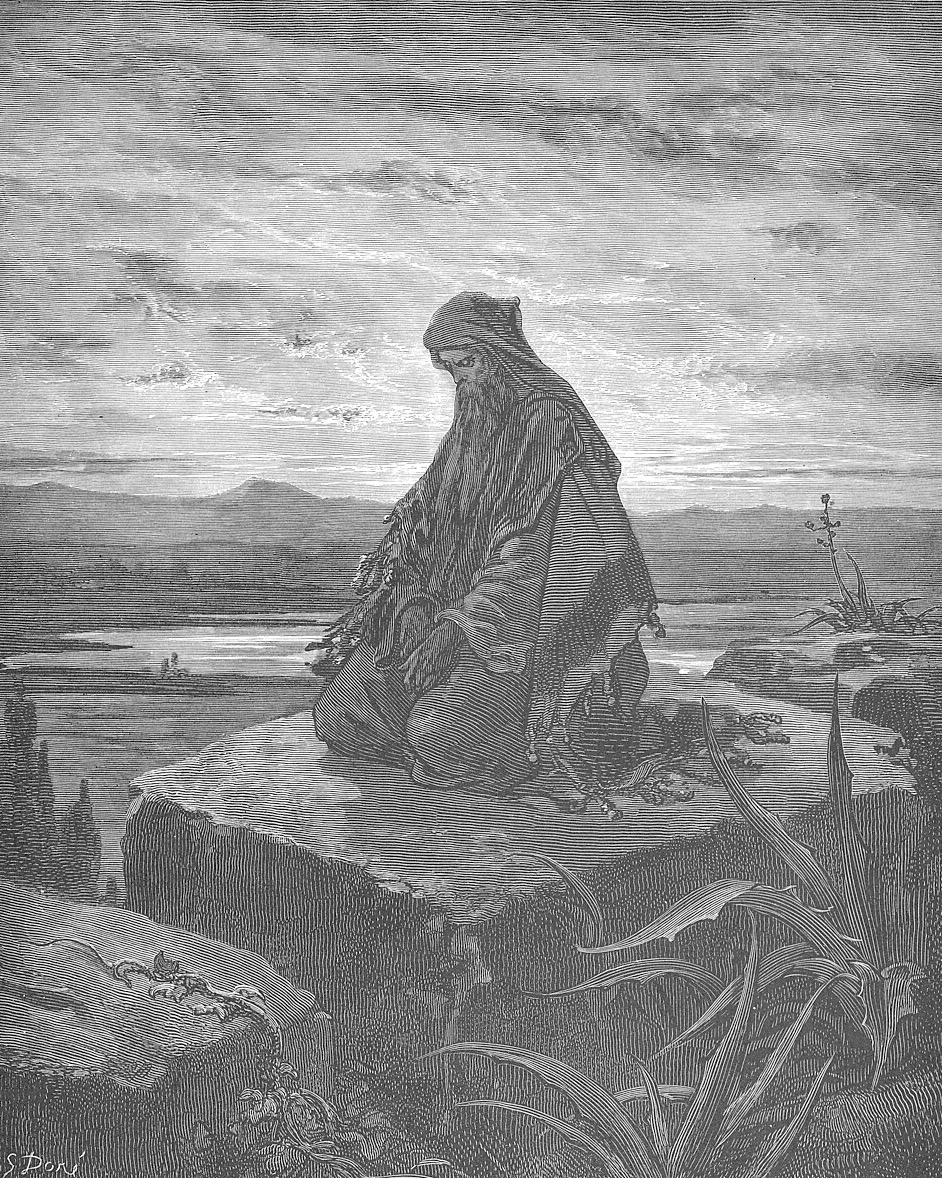
(Tissot, James. "The Prophet Isaiah." Wikimedia Commons. 1896–1902. Accessed October 5, 2025. https://commons.wikimedia.org/wiki/File:120.The_Prophet_Isaiah.jpg.)

James Tissot's detailed watercolor of the prophet Isaiah foretelling, capturing his intense gaze and prophetic scroll.