
BURNTNJAL
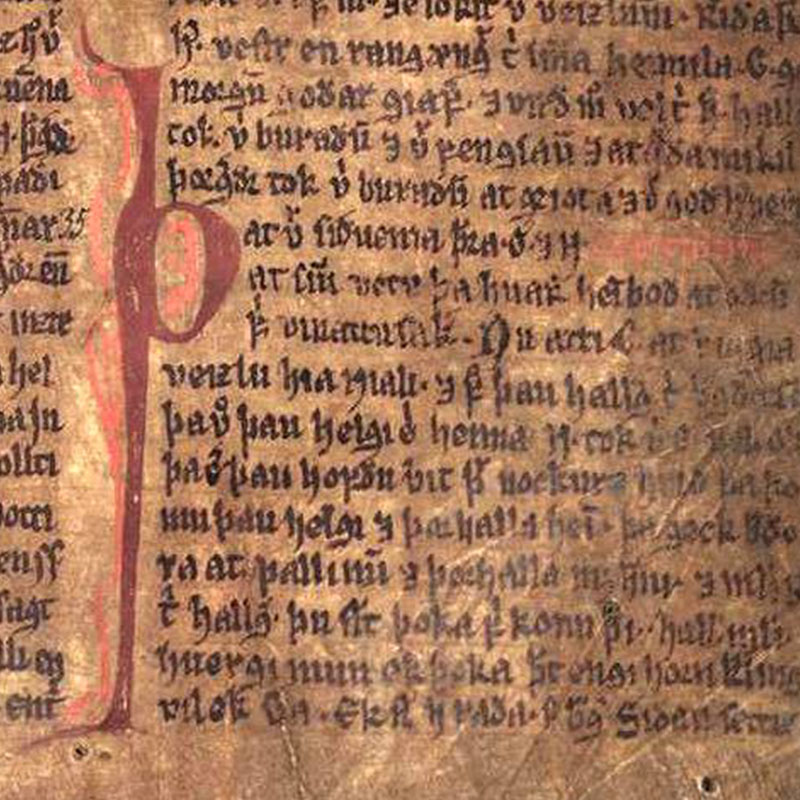
("https://www.worldhistory.org/img/r/p/1500x1500/10116.jpg")
Composed: c. 1270–1280 CE (late 13th century).
Events Depicted: c. 960–1020 CE.
Notable
- Masterpiece of Saga Literature: Finest Íslendingasaga; comprehensive portrait of Icelandic society, law, and feuds.
- Blood Feud Epic: 50-year cycle of vengeance sparked by marriages, slights, and killings; peaks in Njáll's stoic burning.
- Complex Characters: Njáll (prophetic lawyer), Gunnar (reluctant killer), Hallgerðr (thrice-married instigator).
- Themes: Honor vs. law; Christianity's arrival; fate/dreams; gender roles (beardlessness as flaw). Sources: Britannica; Cook ed.
Biography
Njáls saga (c. 1270–1280 CE), known in English as Burnt Njal or The Saga of Burnt Njáll, is the longest and most acclaimed of the Icelandic Íslendingasögur (Sagas of Icelanders). This anonymous prose masterpiece recounts a multi-generational blood feud spanning c. 960–1020 CE in Viking Age Iceland, blending historical events with dramatic artistry drawn from oral tradition. Set against the backdrop of Iceland's Commonwealth era—featuring the Althing assembly, conversion to Christianity (1000 CE), and escalating violence—it culminates in the infamous burning of Njáll Þorgeirsson and his family. With over 600 characters and 159 chapters, the saga explores honor, law, fate, revenge, and the limits of heroism through complex figures like the wise, beardless Njáll; noble Gunnar Hlíðarendason; vengeful Hallgerðr; and survivor Kári Sölmundarson.
Modern scholars view it as a proto-novel: psychologically nuanced, structurally sophisticated, and critically reflective on feud culture, law's fragility, and Christian-pagan tensions. Its objective style contrasts with eddic poetry insertions, influencing realism from Tolstoy to modern crime fiction. Preserved in ~60 manuscripts (21 medieval), it eclipsed other sagas in popularity and cultural prestige.
Influences & Notable For
- Masterpiece of Saga Literature: Finest Íslendingasaga; comprehensive portrait of Icelandic society, law, and feuds.
- Blood Feud Epic: 50-year cycle of vengeance sparked by marriages, slights, and killings; peaks in Njáll's stoic burning.
- Complex Characters: Njáll (prophetic lawyer), Gunnar (reluctant killer), Hallgerðr (thrice-married instigator).
- Themes: Honor vs. law; Christianity's arrival; fate/dreams; gender roles (beardlessness as flaw). Sources: Britannica; Cook ed.
Famous quotes
“With law shall our land be built, but with lawlessness laid waste.”
– Njáll (Ch. 70); iconic on rule of law.
“Bare is the back of him who has no brother.”
– Traditional proverb echoed in saga.
“I wished to see my home once more.”
– Gunnar, refusing exile (Ch. 77).
Legacy & Modern Significance
Canonized as "greatest saga"; shaped Norse studies, realism, and feud theory. Influenced Wagner, Tolkien, crime novels (Trapped). Medieval: 21 vellum MSS indicate prestige. Modern: Manuscript projects reveal variance; debates on authorship/masculinity.
Modern Moments & Impact on the 21st Century
- 2018: New Studies in the Manuscript Tradition of Njáls saga (Medieval Institute Pubs.) – landmark on ~60 MSS.
- Ongoing: Variance of Njáls saga Project (Árni Magnússon Institute) – digital archive/stemma revision.
- 2021: BBC Radio 3 adaptation (The Saga of Burnt Njal).
- Ongoing: Core in Viking/Norse curricula (Oxford, Harvard); Jackson Crawford recaps (YouTube).
- 2020s: Cited in gender studies, legal history, AI narrative analysis.
- Digital: SagaDB (multi-lang); Handrit.is MSS facsimiles.
Influences & Intellectual Context
- Oral Tradition: Draws on historical events/oral tales of Njáll/Gunnar (corroborated in Landnámabók).
- Other Sagas: Echoes Laxdæla, Egils saga; critiques feud in Sturlunga saga era.
- Christian Lens: Written post-Conversion; Njáll as proto-Christian martyr.
- Legal/Cultural: Mirrors Althing procedures; reflects 13th-c. anxieties over Commonwealth collapse. Sources: Andersson, Growth of the Medieval Icelandic Sagas.
Suggested Reading & Resources
Secondary Literature (Scholarship)
- Cook, Robert (trans.). Njáls saga. Penguin Classics, 1997.
- Lönnroth, Lars. Njál's Saga: A Critical Introduction. UC Press, 1976.
- Andersson, Theodore M. The Growth of the Medieval Icelandic Sagas. Cornell, 2006.
- Óskarsdóttir, Svanhildur & Lethbridge, Emily (eds.). New Studies in the Manuscript Tradition of Njáls saga. Medieval Institute, 2018.
- Miller, William Ian. Why is Your Axe Bloody? Oxford, 2014.
Archival or Online Sources
- Icelandic Saga Database: Full texts/translations – https://sagadb.org/brennu-njals_saga.en
- Handrit.is: MSS facsimiles – https://handrit.is
- Wikipedia: Njáls saga – https://en.wikipedia.org/wiki/Nj%C3%A1ls_saga
DEFENDER OF TOLERANCE AND TRUTH
(Unknown. Illustration from The Story of Burnt Njal. 1907. Wikimedia Commons. https://commons.wikimedia.org/wiki/File:The_story_of_Burnt_Njal,_the_great_Icelandic_tribune,_jurist_and_counsellor._Translated_from_the_Njals_Saga_by_Sir_George_Webbe_Dasent;_with_editor's_prefatory_note_and_author's_introd_(1907)_(14760071556).jpg.)
_(14760071556).jpg)
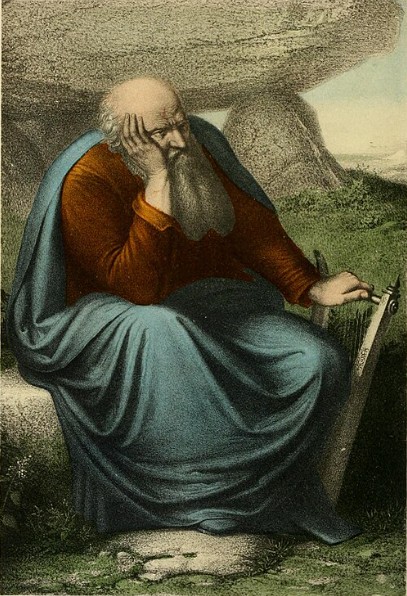
A detailed 1907 illustration from Sir George Webbe Dasent's translation of the Njals Saga, depicting a contemplative figure from the epic Icelandic tale of feuds, law, and tragedy known as the Story of Burnt Njal.
(Unknown. Plate from The Story of Burnt Njal. 1907. Wikimedia Commons. https://commons.wikimedia.org/wiki/File:The_story_of_Burnt_Njal,_the_great_Icelandic_tribune,_jurist_and_counsellor._Translated_from_the_Njals_Saga_by_Sir_George_Webbe_Dasent;_with_editor's_prefatory_note_and_author's_introd_(1907)_(14783075795).jpg.)
_(14783075795).jpg)
An evocative plate from the 1907 edition of The Story of Burnt Njal, capturing a dramatic scene of reflection and ancient Icelandic landscape, highlighting the saga's themes of honor and vengeance.
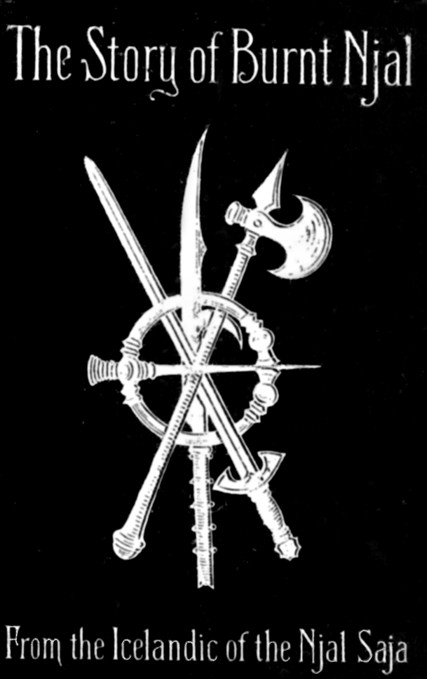
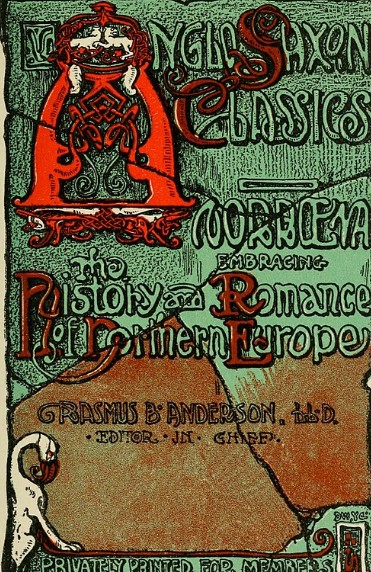
(Dasent, George Webbe. The Story of Burnt Njal. Cover illustration. Project Gutenberg, 2006. https://www.gutenberg.org/ebooks/17919.)
The ornate cover of the Project Gutenberg eBook edition of The Story of Burnt Njal, featuring symbolic swords and shields intertwined, representing the saga's epic narrative of tribal conflicts and heroic deeds.