
AVICENNA
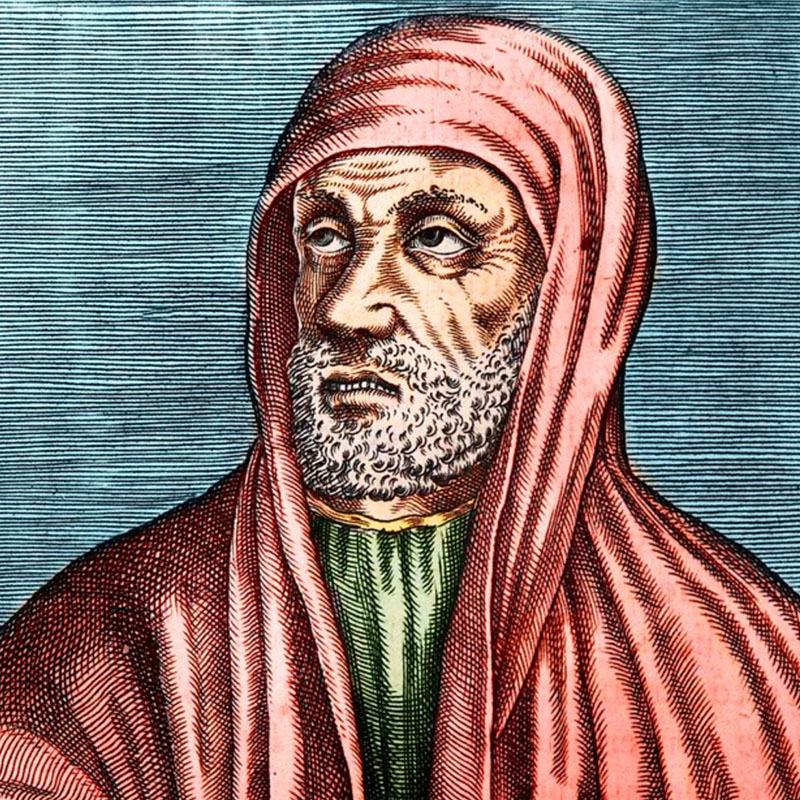
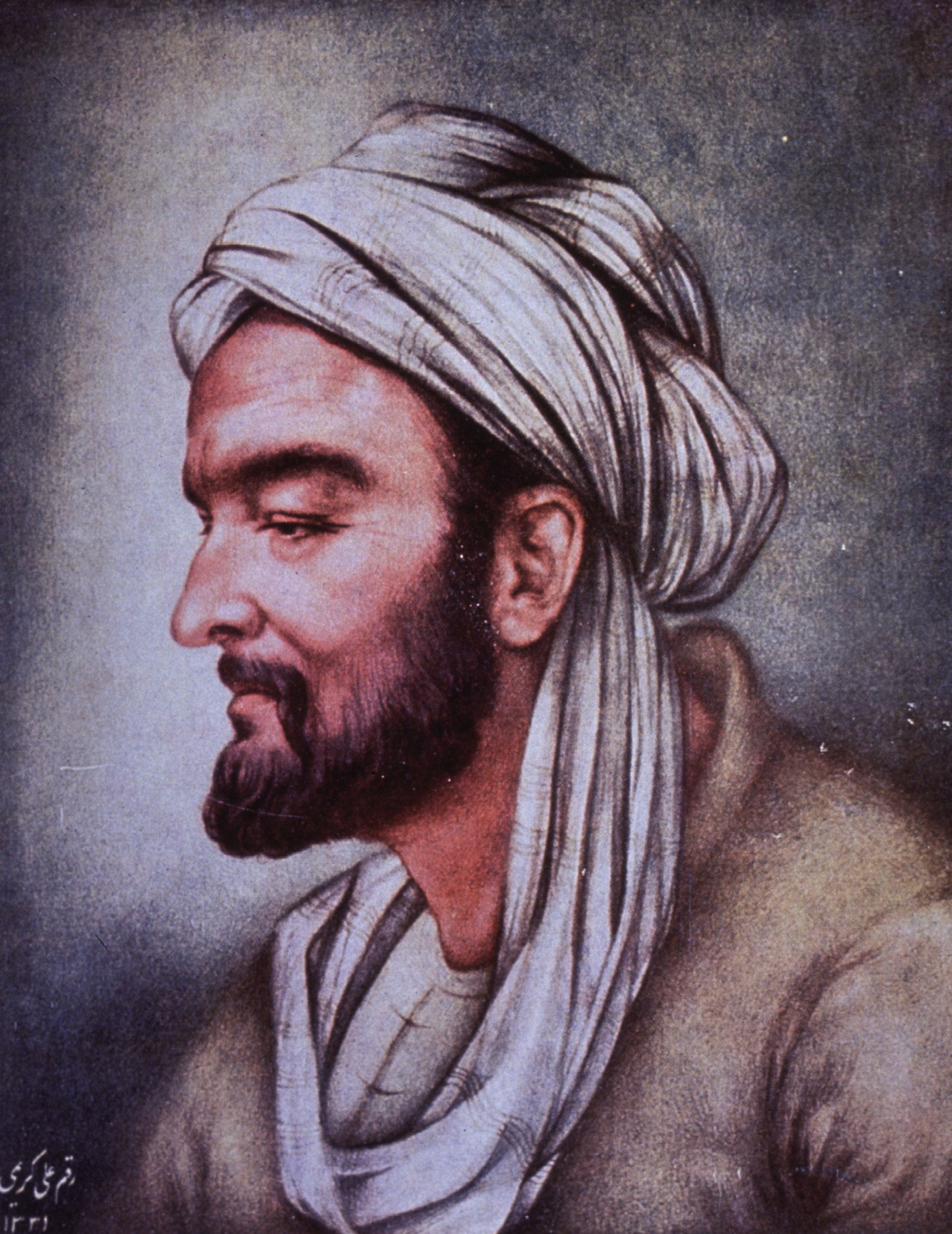
(Unknown. Portrait of Abu Ali al-Husain ibn Abdallah ibn Sina (Avicenna). Engraving. 16th century. MeisterDrucke Fine Art Prints. https://www.meisterdrucke.us/fine-art-prints/Anonymous-Anonymous/918495/Portrait-of-Abu-Ali-al-Husain-ibn-Abdallah-ibn-Sina-(Avicenna)-(980-1037),-Iranian-physician-and-philosopher,-Engraving,-unsigned.html.)
Born: circa 980 CE, Afshana, near Bukhara, Persia (modern-day Uzbekistan)
Died: circa 1037 CE, Hamadan, Persia (modern-day Iran)
Notable
- Father of Early Modern Medicine: Authored The Canon of Medicine, a comprehensive medical encyclopedia that systematized medical knowledge and influenced medical practice in the Islamic world and Europe for centuries.
- Innovative Medical Theory: Advanced clinical practices and diagnostics, introducing systematic approaches to pharmacology, physiology, and disease classification, as seen in his detailed studies of pulse and contagion.
1000–1100 AD works
Biography
Avicenna (c. 980 – 1037 CE), known in the Islamic world as Ibn Sina, was a Persian thinker whose influence spanned philosophy, medicine, science, and theology. Born near Bukhara in the village of Afshana (modern Uzbekistan), he displayed remarkable intellect early on—memorizing the Quran and mastering diverse sciences by age 16.
Widely hailed as one of the greatest minds of the Islamic Golden Age, Avicenna authored over 450 treatises, with around 240 surviving today. His most enduring legacies lie in his integration of Aristotelian philosophy with Islamic theology and his systematic contributions to medicine. His two magnum opuses—The Book of Healing and The Canon of Medicine—shaped scholarly discourse in both the Islamic world and medieval Europe for centuries.
Philosophically, Avicenna is noted for his exploration of metaphysics, particularly his concepts of essence versus existence and his argument for the existence of a Necessary Being—a foundational concept for later Islamic and Christian thought.
Influences & Notable For
Notable For
Writing The Canon of Medicine, a foundational text in both Islamic and Western medicine.
Introducing a pivotal distinction between essence and existence in metaphysics.
Proposing a philosophical demonstration of God as the Necessary Existent.
Merging Aristotelian thought and Neoplatonic elements with Islamic theology.
Acting as a conduit for classical Greek philosophy into medieval Europe.
Influences
Avicenna drew deeply from Aristotle and Neoplatonism, as well as earlier Islamic philosophers like al-Farabi and al-Kindi. His work represents a fusion of Greek rationalism and Islamic theological inquiry, forming a cornerstone of both philosophical and mystical traditions.
His influence extended far beyond the Islamic world—shaping Latin Scholasticism and thinkers like Aquinas and Scotus.
Famous quotes
- “The world is split between those with intellect but no faith, and those with faith but no intellect.”
- “Medicine is the discipline that enables us to understand the body in both health and illness.” — The Canon of Medicine
- “Knowing the soul is the key to knowing the self.” — On the Soul
Legacy & Modern Significance
Avicenna’s contributions continue to resonate in modern philosophy and the history of science. His Canon of Medicine shaped medical instruction for a long period of time, while his philosophical ideas remain central to Islamic and Western metaphysics.
In the Islamic world, he is revered as “The Prince of Physicians” and “The Second Teacher” (after Aristotle). His name and ideas are honored in academic, cultural, and medical institutions across the globe.
Modern Moments & Impact on 21st Century
Philosophy: Avicenna is still studied in courses on Islamic thought, metaphysics, and comparative philosophy.
Medicine: Though no longer medically current, The Canon is a key historical reference.
Digital Access: His writings are widely available in translation and online.
Recognition: UNESCO and various nations commemorate his intellectual legacy; statues and institutions bear his name.
Suggested Reading and Resources
Scholarly Works
Gutas, Dimitri. Avicenna and the Aristotelian Tradition. Brill, 2001.
Nasr, Seyyed Hossein. Avicenna and the Visionary Recital. Princeton University Press, 1964.
McGinnis, Jon. Avicenna. Oxford University Press, 2010.
Online Resources
Stanford Encyclopedia of Philosophy: Avicenna
Internet Encyclopedia of Philosophy: Avicenna
Islamic Philosophy Online: https://www.muslimphilosophy.com
World Digital Library: Avicenna Manuscripts
MASTER OF MEDICAL SYNTHESIS
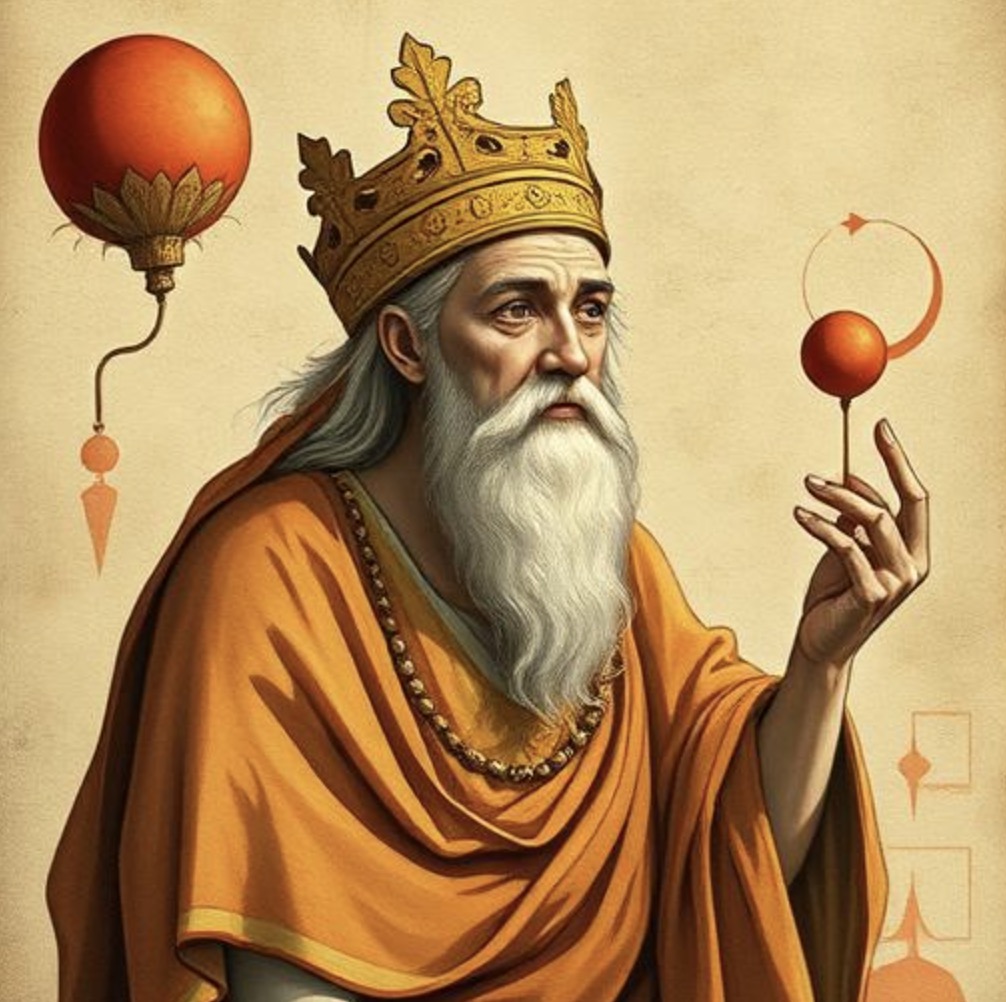
(AI generated image)
Avicenna (Ibn Sina) wrote The Canon of Medicine by age 21, a groundbreaking medical text that was used as a standard reference in Europe and the Islamic world for over 500 years, influencing doctors as late as the 17th century.
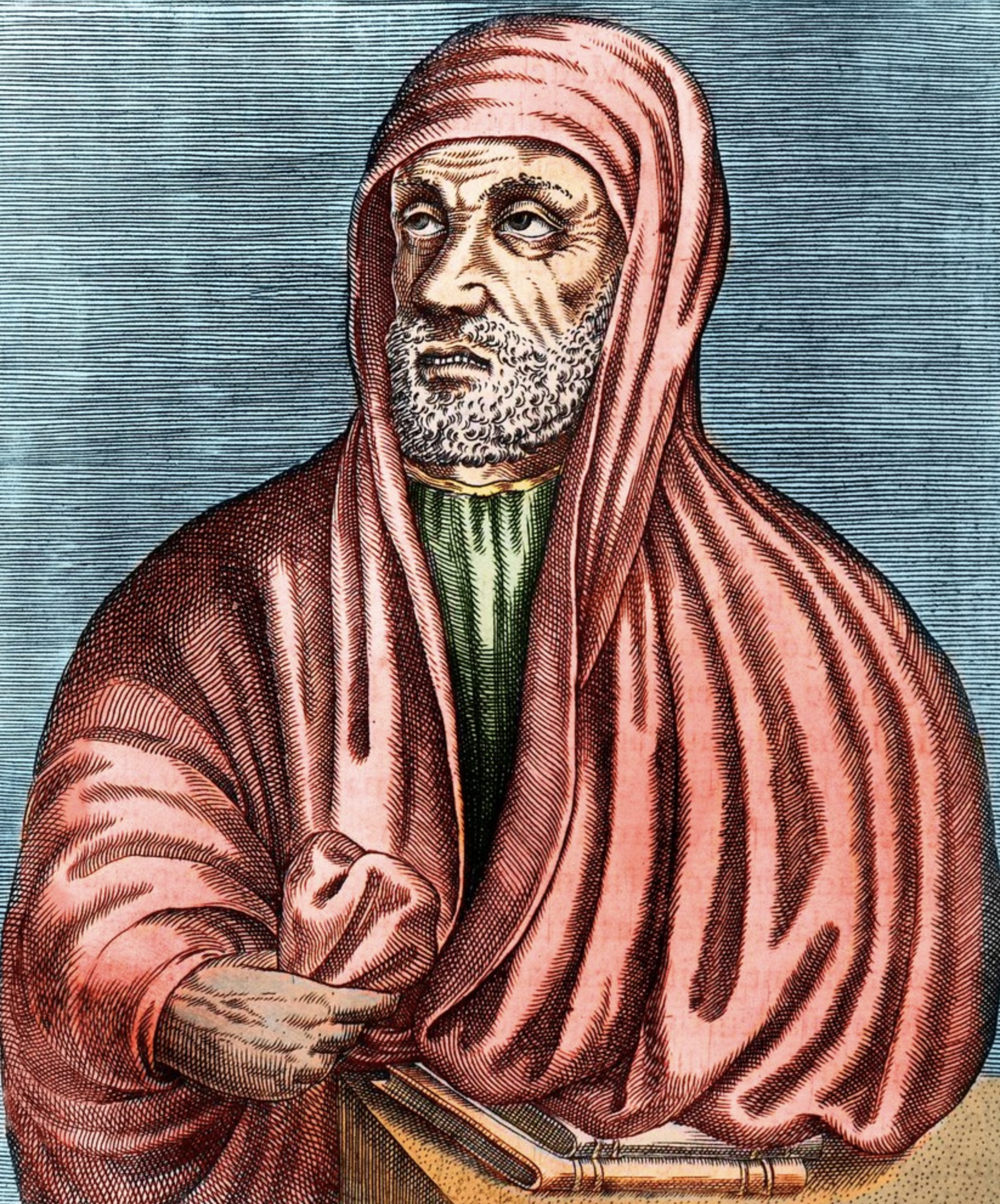
(Unknown. Portrait of Abu Ali al-Husain ibn Abdallah ibn Sina (Avicenna). Engraving. 16th century. MeisterDrucke Fine Art Prints. https://www.meisterdrucke.us/fine-art-prints/Anonymous-Anonymous/918495/Portrait-of-Abu-Ali-al-Husain-ibn-Abdallah-ibn-Sina-(Avicenna)-(980-1037),-Iranian-physician-and-philosopher,-Engraving,-unsigned.html.)
An unsigned 16th-century engraving depicts Abu Ali al-Husain ibn Abdallah ibn Sina (Avicenna) in hooded red robes, holding a book, symbolizing his authorship of the Canon of Medicine and his synthesis of Greek and Islamic thought.
(Unknown. Avicenna Bust, Left Profile (Cropped). Sculpture reproduction. 20th century. Wikimedia Commons. https://commons.wikimedia.org/wiki/File:Avicenna_Bust,_left_profile_(cropped).jpg.)
.jpg)
This detailed engraving from an 18th-century publication captures Aeschylus in a dramatic pose, reflecting his legacy as the creator of complex tragic narratives like The Oresteia.