

ZARATHUSHTRA
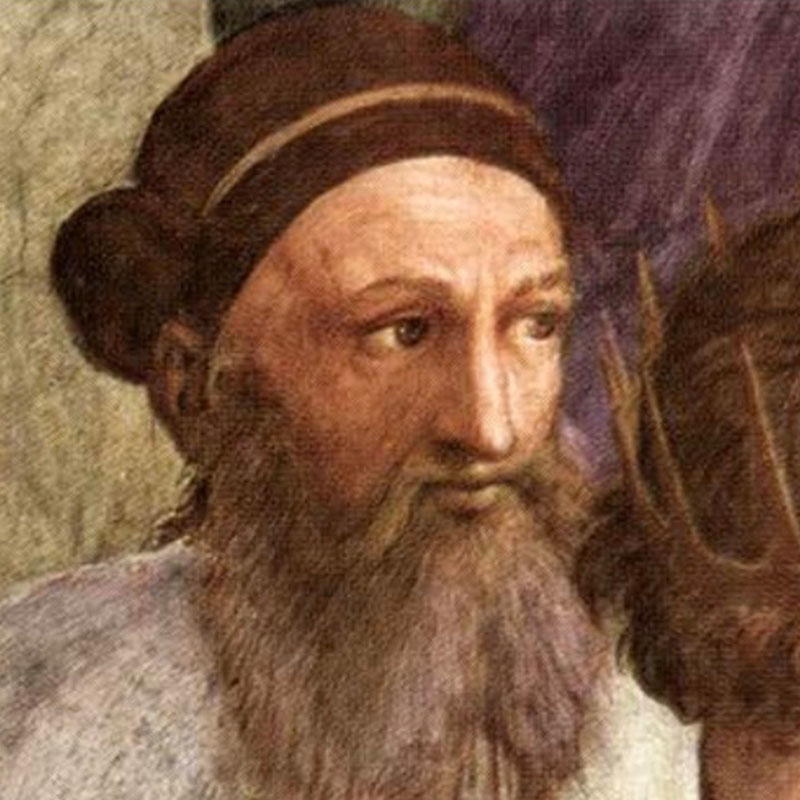
(“Prophet Zoroaster.” Wikimedia Commons. Accessed October 18, 2025. https://commons.wikimedia.org/wiki/File:Sanzio_01_Zoroaster_Ptolmey.jpg.)
Born: c. 7th–6th century BCE, likely in eastern Persia (modern-day Iran)
Died: Unknown, possibly in Persia
Notable
-
Prophetic Voice of Zoroastrianism: Zarathustra founded one of the earliest monotheistic religions, teaching devotion to Ahura Mazda and the moral choice between good and evil.
-
Legacy in Spiritual and Philosophical Thought: His teachings on free will and moral responsibility influenced Zoroastrian ethics and later religious thought.
6th-7th Century BCE
Biography
Zarathushtra, also known as Zoroaster, was an ancient Iranian prophet and religious reformer, regarded as the founder of Zoroastrianism, the world’s oldest known monotheistic faith. Zarathushtra was born around the 2nd millennium BCE in eastern Iran (conservative estimates place his birth around c. 1000 BCE). Born into a family of priestly or noble status, Zarathushtra was educated from a young age and became a priest by age 15. At age 30, during a ritual purification, he experienced a divine vision of Ahura Mazda (the Wise Lord), who appointed him to preach a new message of ethical monotheism and cosmic dualism.
Zarathushtra’s teachings initially met with strong opposition from established religious authorities and even his own family, forcing him into exile. Eventually, he gained the support of King Vishtaspa, allowing his teachings to take root. He is said to have married and had three sons and three daughters and spent his later years at the court of Vishtaspa, establishing the precepts and rituals of the new faith.
Zoroastrianism (also known as Mazdayasnā or Beh-dīn) was the dominant faith of Achaemenid and Sasanian Persia, only declining in the 7th century CE. The contrast between Asha (truth, right, and order) and Druj (deceit and falsehood) is at the core of Zoroastrian theology. By prioritizing monotheism and a cosmic dichotomy, Zoroastrian theology has influenced the metaphysics of Abrahamic, Buddhist, and Manichaean faiths. Zarathushtra has been interpreted by various religions and scholars but has been most directly adopted by Islam.
Bibliography / Primary Sources
Major Works and Key Manuscripts
The Gathas (within the Avesta): Seventeen hymns believed to be composed by Zarathushtra himself, forming the core of the Yasna section of the Avesta. These hymns are written in Old Avestan and are the oldest and most sacred Zoroastrian texts.
Ahunuvaiti Gatha (Yasna 28–34): Explores the nature of truth, the role of Ahura Mazda, and the ethical path.
Ushtavaiti Gatha (Yasna 43–46): Focuses on wisdom, contentment, and righteous living.
Spenta Mainyu Gatha (Yasna 47–50): Discusses the beneficent spirit and the struggle against evil.
Vohu-Khshathra Gatha (Yasna 51): Addresses ideals of righteous governance and social order.
Vahishto-Ishti Gatha (Yasna 53): Describes the rewards of righteousness and the dangers of dishonor.
The Avesta (Other Sections): The primary scripture of Zoroastrianism, compiled over centuries, containing the Gathas, Yasna, Visperad, Yashts, Vendidad, and Khordeh Avesta. The Avesta was transmitted orally for centuries before being committed to writing during the Sassanian period.
Visperad: Rituals and festival observances.
Yashts: Hymns of praise to various divine beings.
Vendidad: Ancient purity laws and codes of conduct.
Khordeh Avesta: Daily prayers and liturgies.
Key Manuscript and Digital Resources:
AVESTA: Zoroastrian Archives – Complete text of the Avesta and related scriptures. http://www.avesta.org
Avestan Digital Archive – Digitized images of Zoroastrian manuscripts. http://www.avesta-archive.com
Influences & Notable For
Notable For
Founder of Zoroastrianism: Established the world’s oldest known monotheistic religion, which became the state faith of the Persian empires until the 7th century CE.
Composer of the Gathas: Authored the foundational hymns of Zoroastrianism, which remain central to the faith.
Proponent of Ethical Dualism: Taught the cosmic struggle between good (Ahura Mazda) and evil (Angra Mainyu), emphasizing the importance of individual choice and free will.
Advocate of Moral Principles: Promoted the triad of “good thoughts, good words, good deeds” as the path to righteousness and happiness.
Influences
Indo-Iranian Religious Tradition: Zarathushtra’s teachings reformed the polytheistic Mazdayasni beliefs of his time, emphasizing monotheism and ethical conduct.
Ethical Dualism: Introduced the concept of a cosmic struggle between good and evil, influencing later religious and philosophical traditions.
Impact on Later Religions: Zoroastrianism influenced Judaism, Christianity, Islam, and Greek philosophy, especially in concepts of angels, judgment, eschatology, and free will.
Amesha Spentas: Zarathushtra’s theology included seven “beneficent immortals,” personifying divine attributes and ethical ideals, which shaped Zoroastrian cosmology and ethics.
Famous quotes
- “Truth is best (of all that is) good.” — Ahunuvaiti Gatha; Yasna 31.22
- “A reflective, contented mind is the best possession.” — Ushtavaiti Gatha; Yasna 43.15
- “May we be those who shall heal this world.” — Yasna 30.9
- “To think a good thought, to speak a good word, to do a good deed is the best. Everlasting happiness to he who is righteous.” — Yasna 28.11
Legacy & Modern Significance
State Religion of Empires: Zoroastrianism became the official faith of the Achaemenid, Parthian, and Sassanian empires, shaping Persian culture and governance.
Influence on World Religions: Zarathushtra’s teachings on monotheism, angels, judgment, and eschatology influenced Judaism, Christianity, and Islam.
Survival and Diaspora: After the Muslim conquest of Persia, Zoroastrian communities survived in Iran and India (the Parsis), maintaining their religious identity and traditions.
Modern Scholarship and Practice: The Gathas and Avesta remain central to Zoroastrian worship and are studied by scholars worldwide. Ongoing debates concern the dating of Zarathushtra, interpretation of his hymns, and the extent of his influence on later traditions.
Modern Moments & Impact on 21st Century
2015: Fourth edition of The Good Life: An Introduction to the Religion of Zarathushtra published by the Zoroastrian Association of Greater New York.
Ongoing: Digital editions and translations of the Avesta and Gathas available through AVESTA: Zoroastrian Archives. http://www.avesta.org
Ongoing: Academic conferences, lecture series, and Zoroastrian studies programs at major universities worldwide.
Ongoing: Zoroastrianism and Zarathushtra’s teachings included in comparative religion and philosophy curricula.
Suggested Reading and Resources
Secondary Literature (Scholarship):
Insler, Stanley. The Gathas of Zarathushtra. Acta Iranica 8, Tehran and Liège, 1975.
Jackson, A.V. Williams. Zoroaster: The Prophet of Ancient Iran.
Jafarey, Ali A. The Gathas, Our Guide.
Irani, Dinshaw J. (ed. K.D. Irani). Understanding the Gathas.
Taraporewala, Irach J.S. The Divine Songs of Zarathushtra.
Archival or Online Sources:
AVESTA: Zoroastrian Archives – Complete texts and translations of the Avesta. http://www.avesta.org
Zarathushtrian Assembly Resources – Articles, lectures, and digital editions. http://www.zoroastrian.org
Avestan Digital Archive – Digitized manuscripts. http://www.avesta-archive.com
Pluralism Project: Ancient Faith in the Modern World – Overview and resources on Zoroastrianism. https://pluralism.org
SEER OF COSMIC STRUGGLE
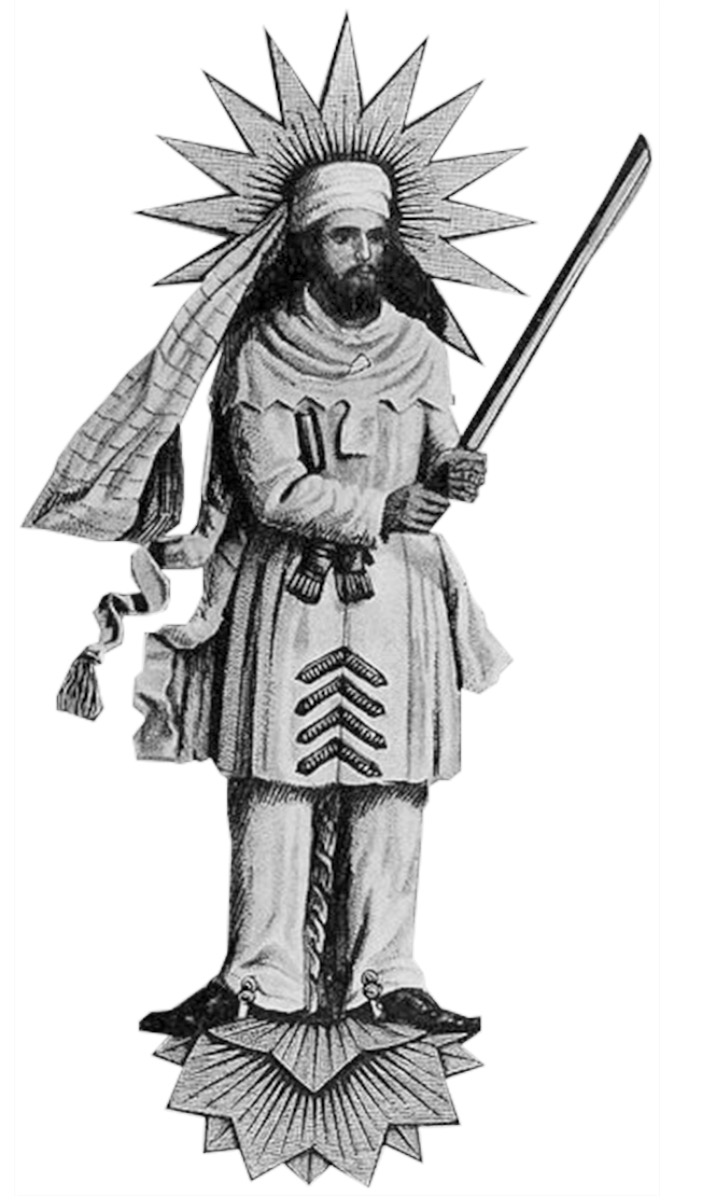
(“Zartosht 30salegee.” Wikimedia Commons. 4th century. Accessed October 5, 2025. https://commons.wikimedia.org/wiki/File:Zartosht_30salegee.jpg.)
A 4th-century Sassanid high-relief carving reinterpreted as Zoroaster during the investiture of Ardeshir II.
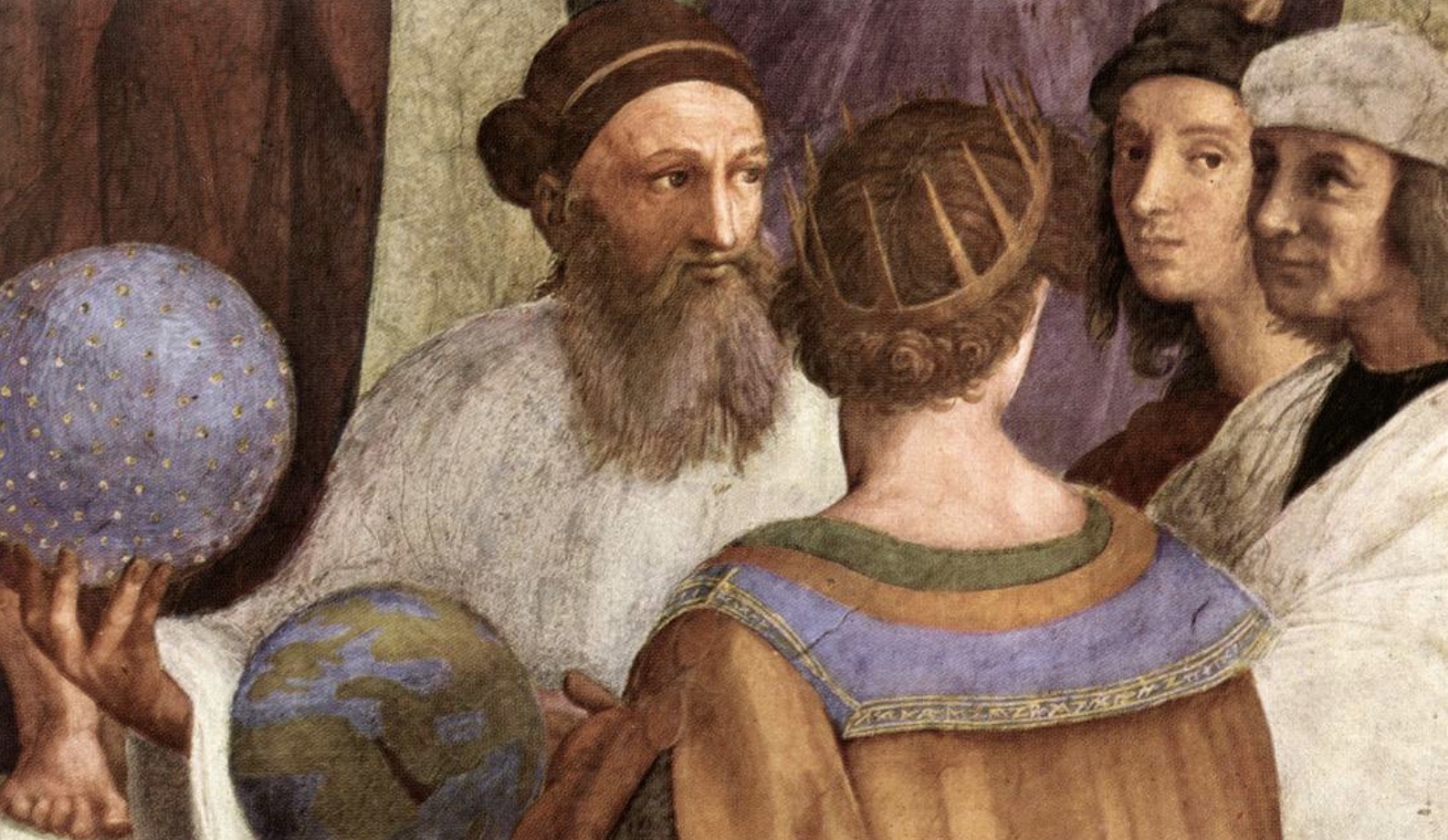
(Raphael. “Zoroaster (detail from The School of Athens).” Wikimedia Commons. 1509–1511. https://commons.wikimedia.org/wiki/File:Sanzio_01_Zoroaster_Ptolmey.jpg.)
Detail from Raphael’s School of Athens fresco, portraying Zoroaster as an astronomer holding a globe in philosophical discussion.
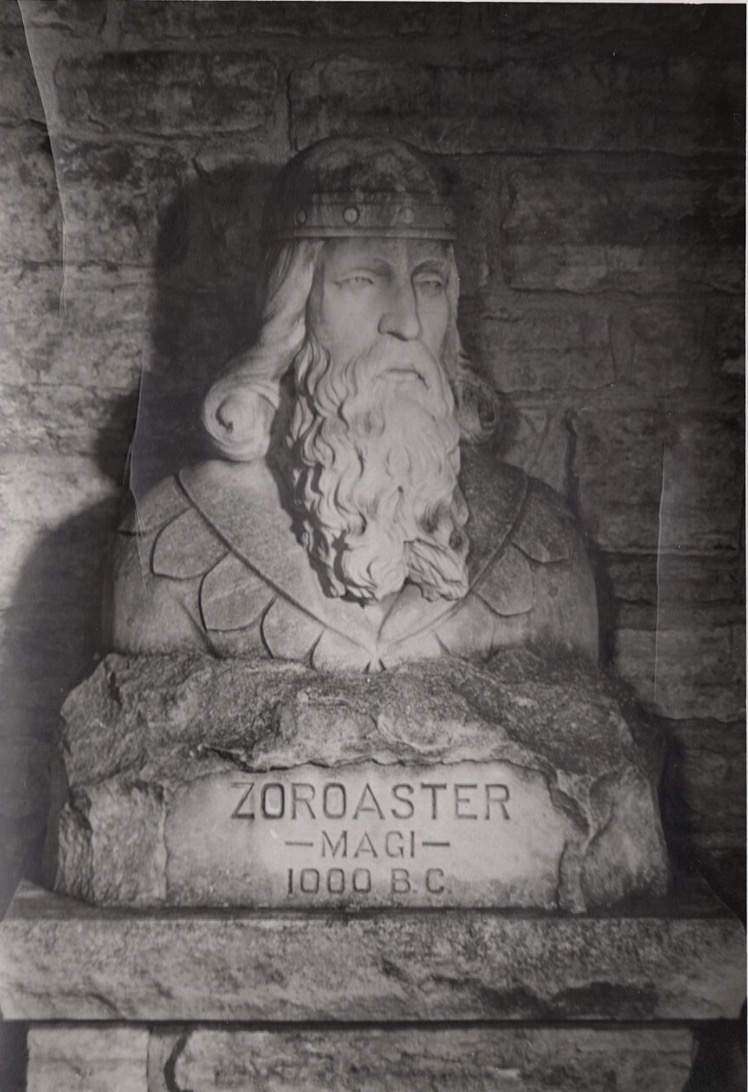
(“Zoroaster Bust.” Wikimedia Commons. Ca. 1000 B.C. Accessed October 5, 2025. https://commons.wikimedia.org/wiki/File:Zoroaster_Bust_-_DPLA_-_e7b3dc9cdb0d24feb660790feef994ce.jpg.)

Duccio di Buoninsegna’s tempera panel from the Maestà altarpiece, depicting Hosea as a prophetic figure with a book.